
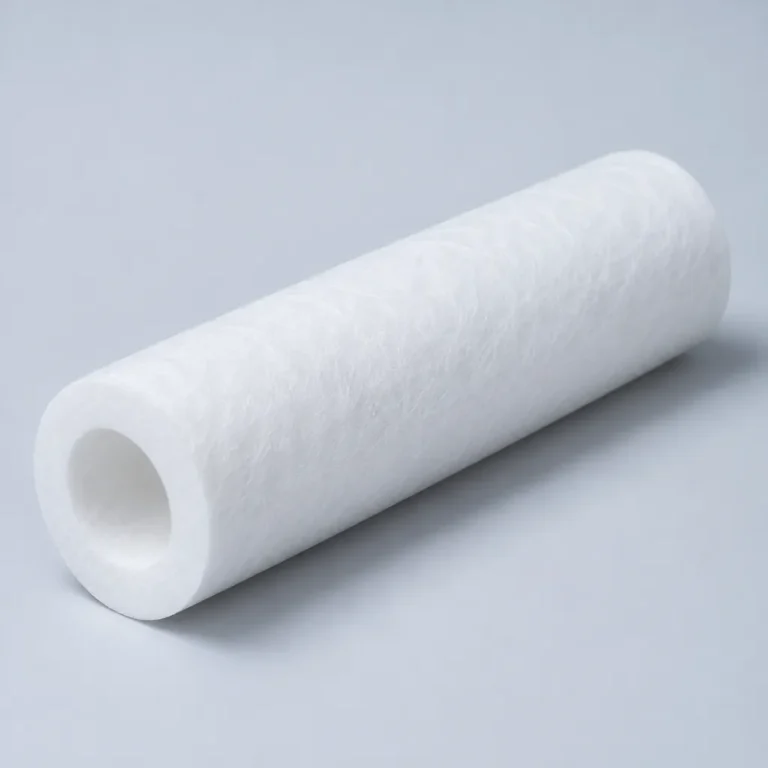
Industrial Filter Cartridges
This range covers replacement cartridges for industrial process filtration. It includes melt-blown and string-wound depth media, pleated membrane and high-flow cartridges, several metal element designs, and activated carbon fiber cartridges for adsorption.
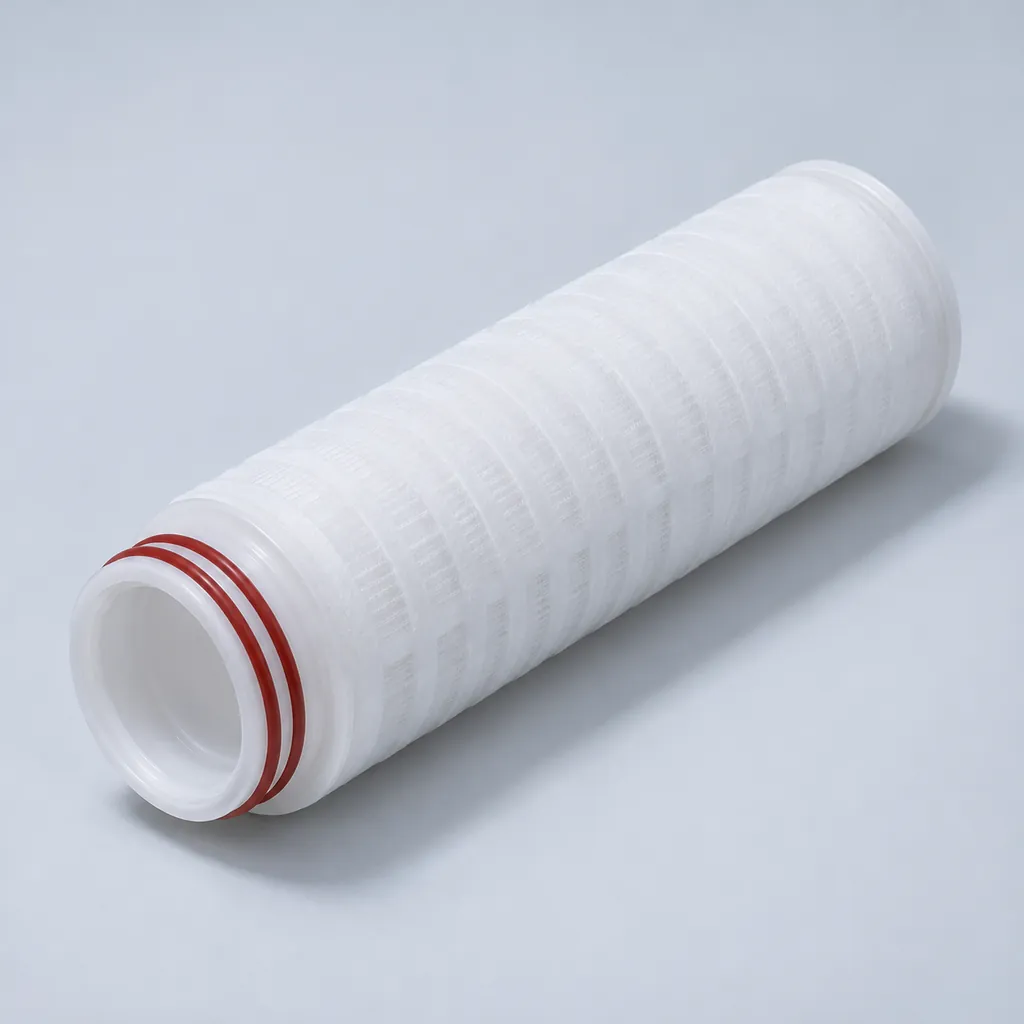
Explore the range
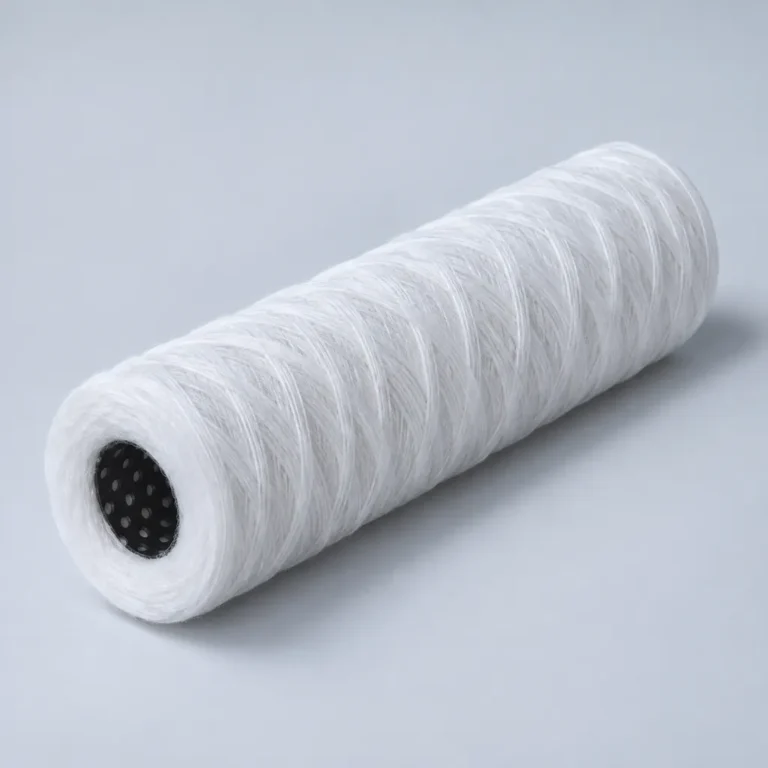
String-Wound Filter Cartridge
View specifications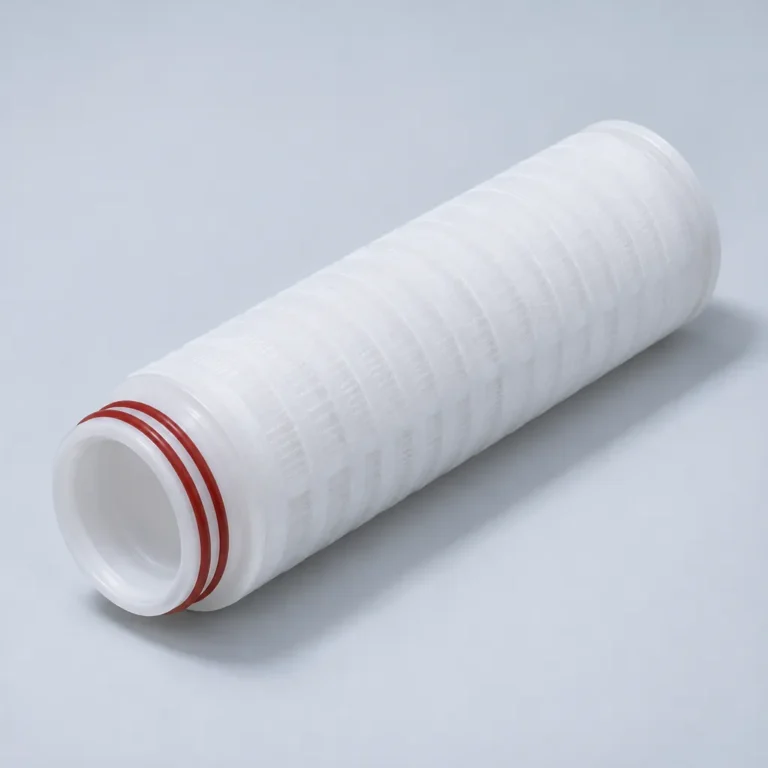
Pleated Membrane Filter Cartridge
View specifications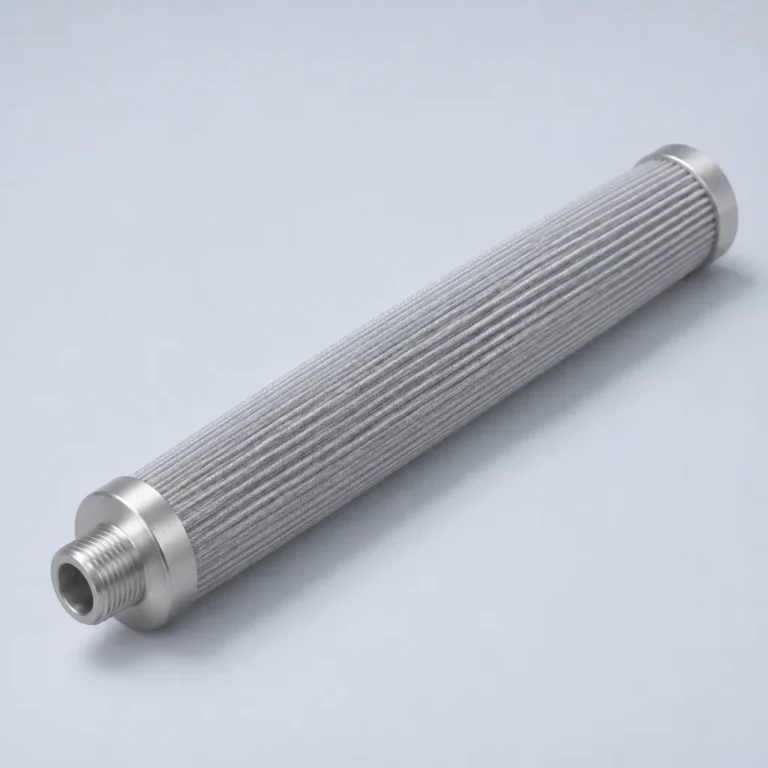
Pleated Metal Fiber Felt Cartridge
View specifications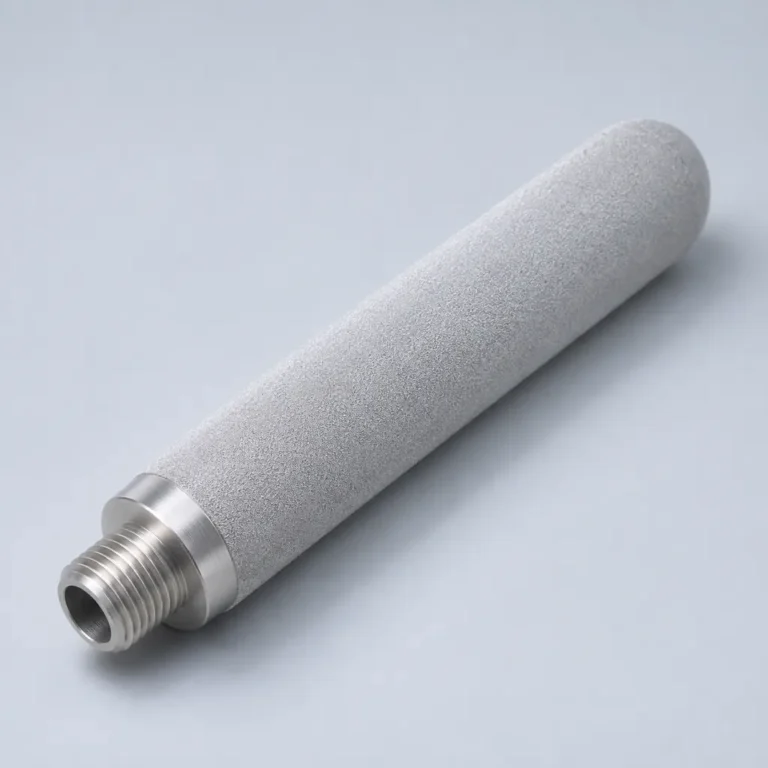
Sintered Metal Powder Cartridge
View specifications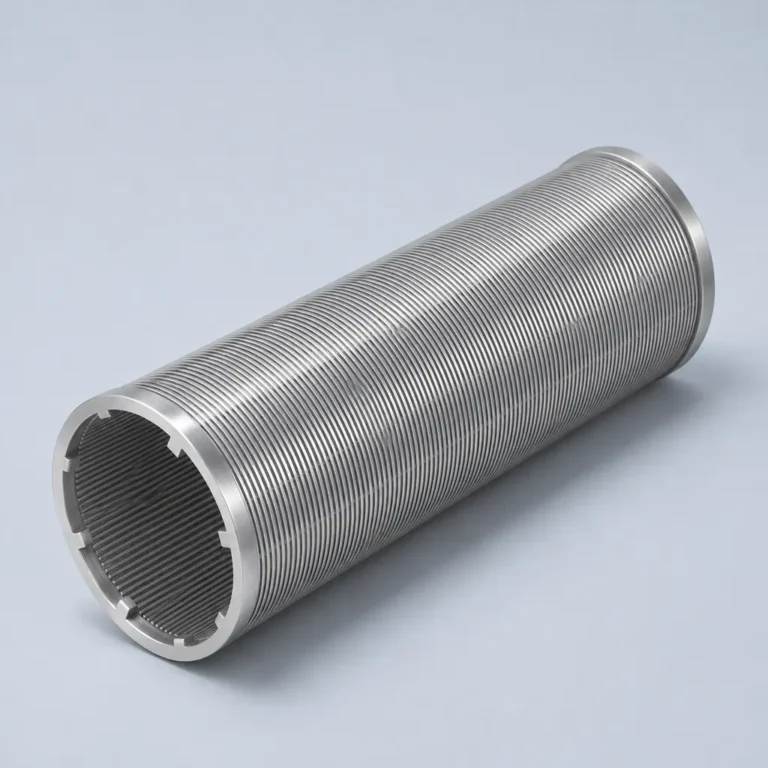
Wedge Wire Filter Element
View specifications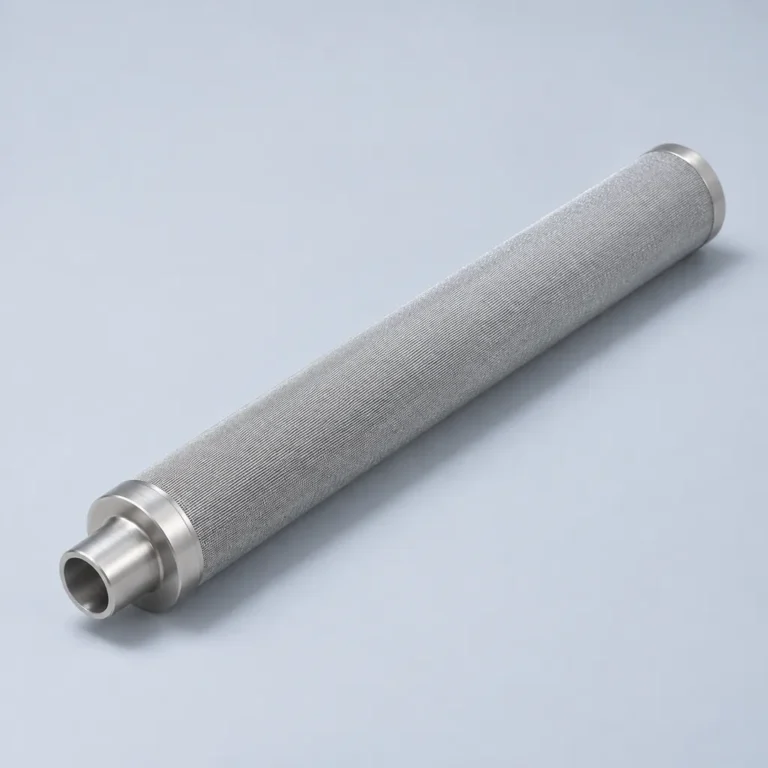
Sintered Wire Mesh Filter Cartridge
View specifications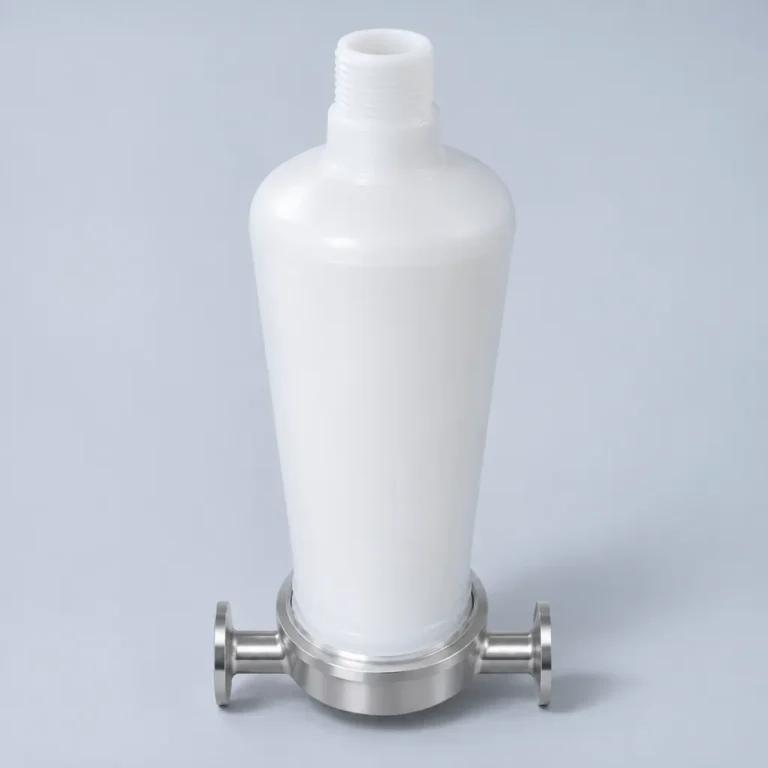
Enclosed Filter Element
View specifications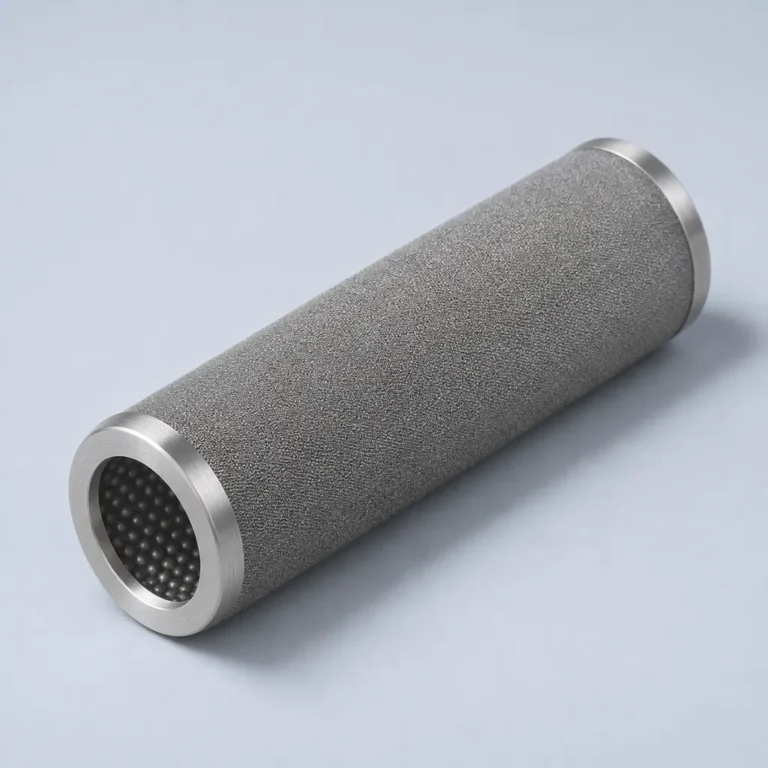
Cylindrical Sintered Mesh Filter Element
View specifications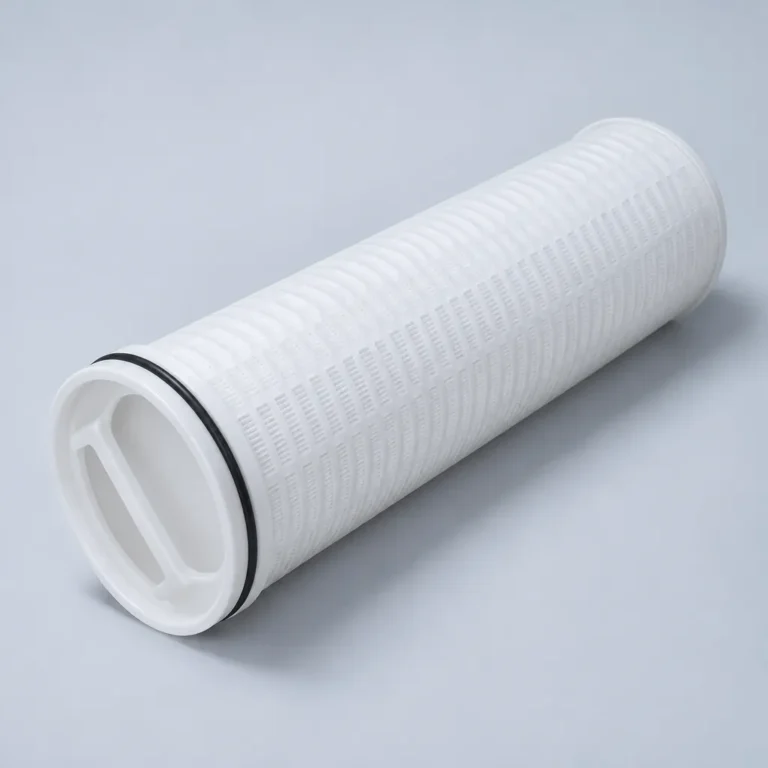
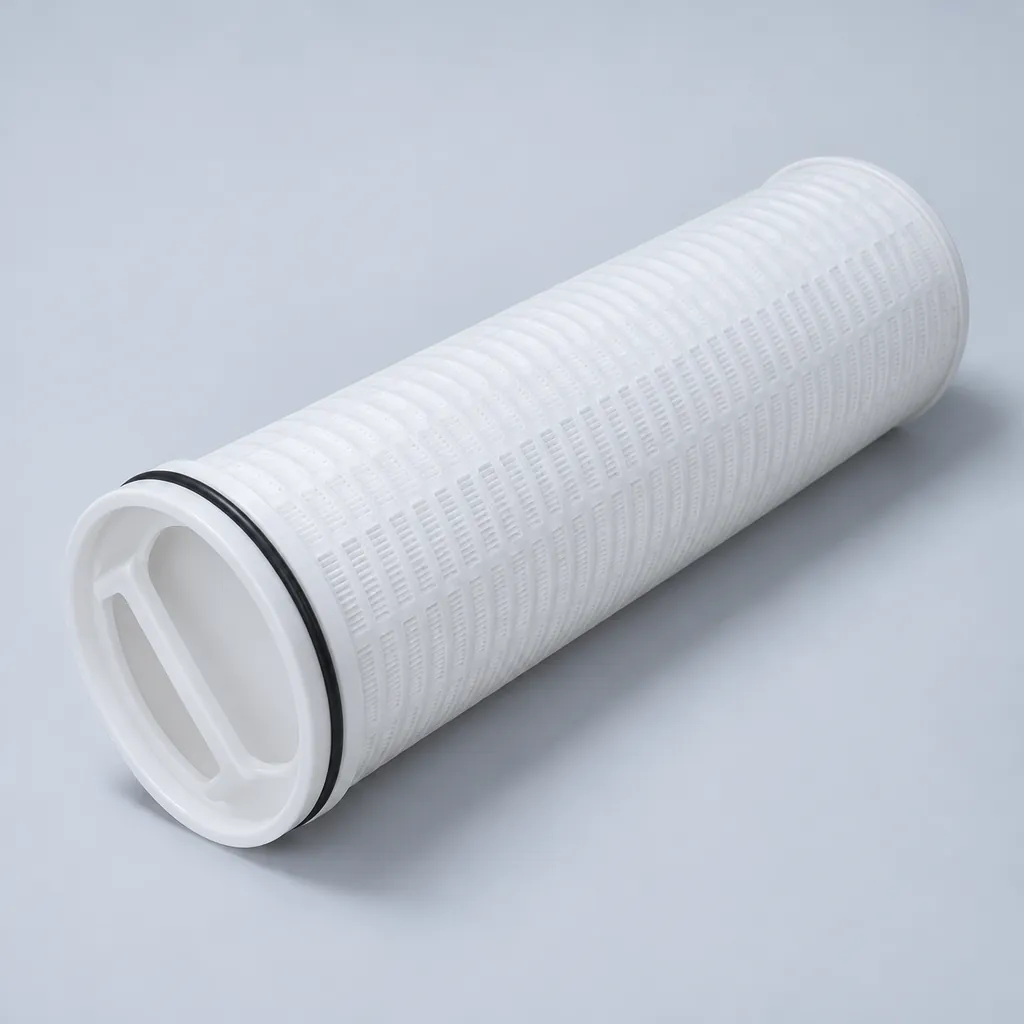
High-Flow Pleated Filter Cartridge
View specifications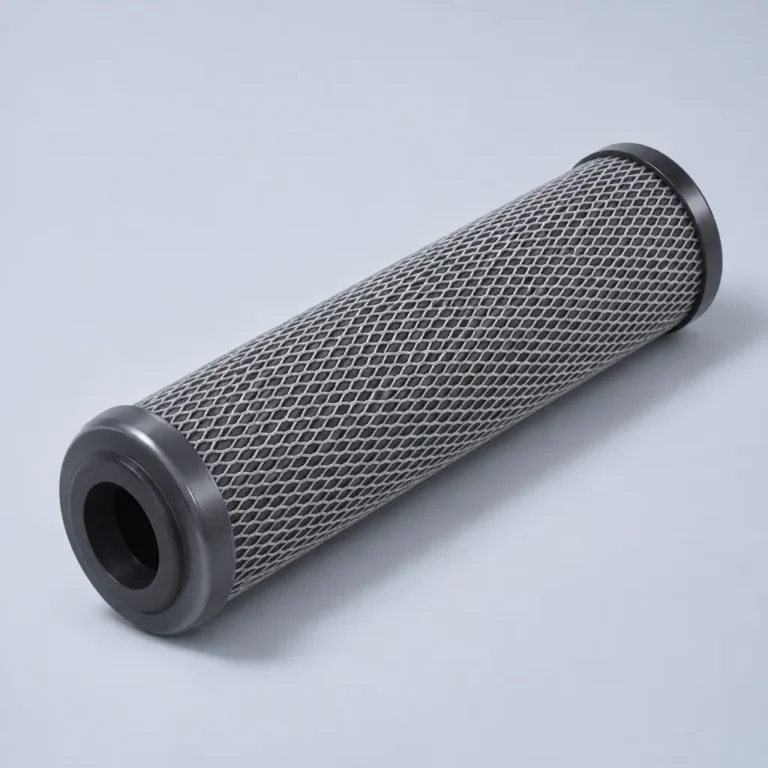
Activated Carbon Fiber Filter Cartridge
View specificationsWhat to check before ordering
- Decide what the element has to do. Record the particle-removal target and rating basis, or the substance and outlet target for an adsorption duty.
- Match the cartridge length and diameter, end connection, seal and flow direction to the housing.
- For a proposed reusable metal element, include your cleaning method and the process conditions it needs to withstand.
For repeat supply, send the housing or element reference, end connection, medium, rating basis, process conditions and quantity per line.
Start with the filtration duty and the housing
For a depth cartridge, compare melt-blown and string-wound media against the particles and the liquid. For a pleated cartridge, check the medium, connection and rating. The high-flow range lists glass fiber or polypropylene, depending on the version. If the installed element is metal, identify whether it uses fiber felt, wire mesh, powder or wedge wire before asking for an equivalent. Keep activated carbon fiber on a separate line and specify the adsorption duty.
Before you order
How do I replace a cartridge when the label is missing?
Send the housing model and photos of both ends, together with the length, outside diameter and seal type. Add the process medium, flow and the filtration result you need.
Are all sintered metal cartridges built the same way?
Grey Whale lists pleated metal fiber felt, sintered metal powder and sintered wire mesh as distinct constructions. Give the original media type, grade, dimensions and cleaning method when asking for a replacement.
What should I specify for activated carbon fiber?
Identify the contaminant, the incoming concentration and the required outlet result. Include the liquid or gas composition, flow and temperature, plus the element size and end connection.