
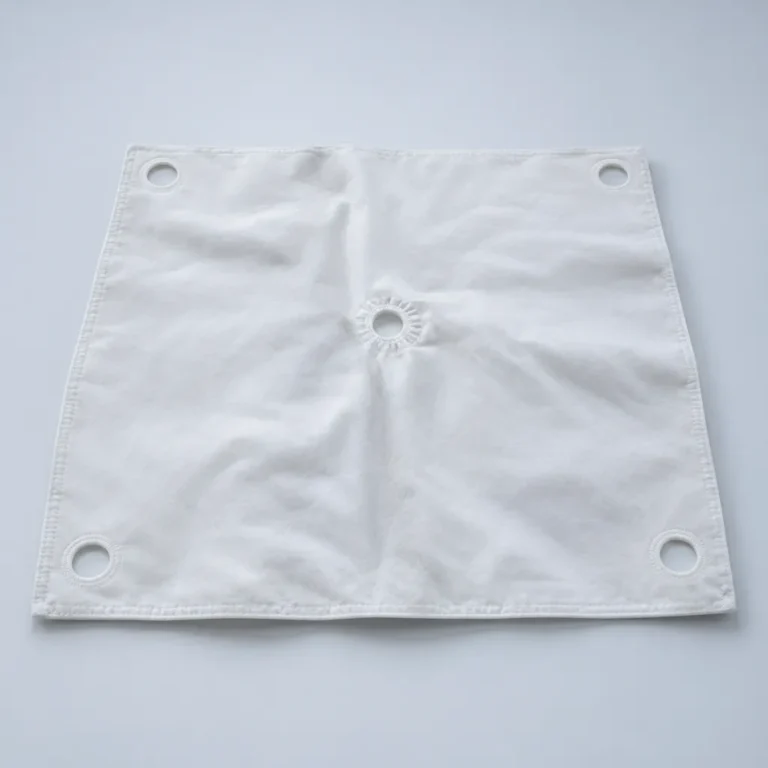
Filter Press Cloth
A filter press cloth retains solids as liquid passes through the cloth. Grey Whale lists polyester, polypropylene, nylon, vinylon and nonwoven felt for industrial solid-liquid separation. The plate pattern and the slurry usually give you the best starting point for a replacement.
Explore the range
What to check before ordering
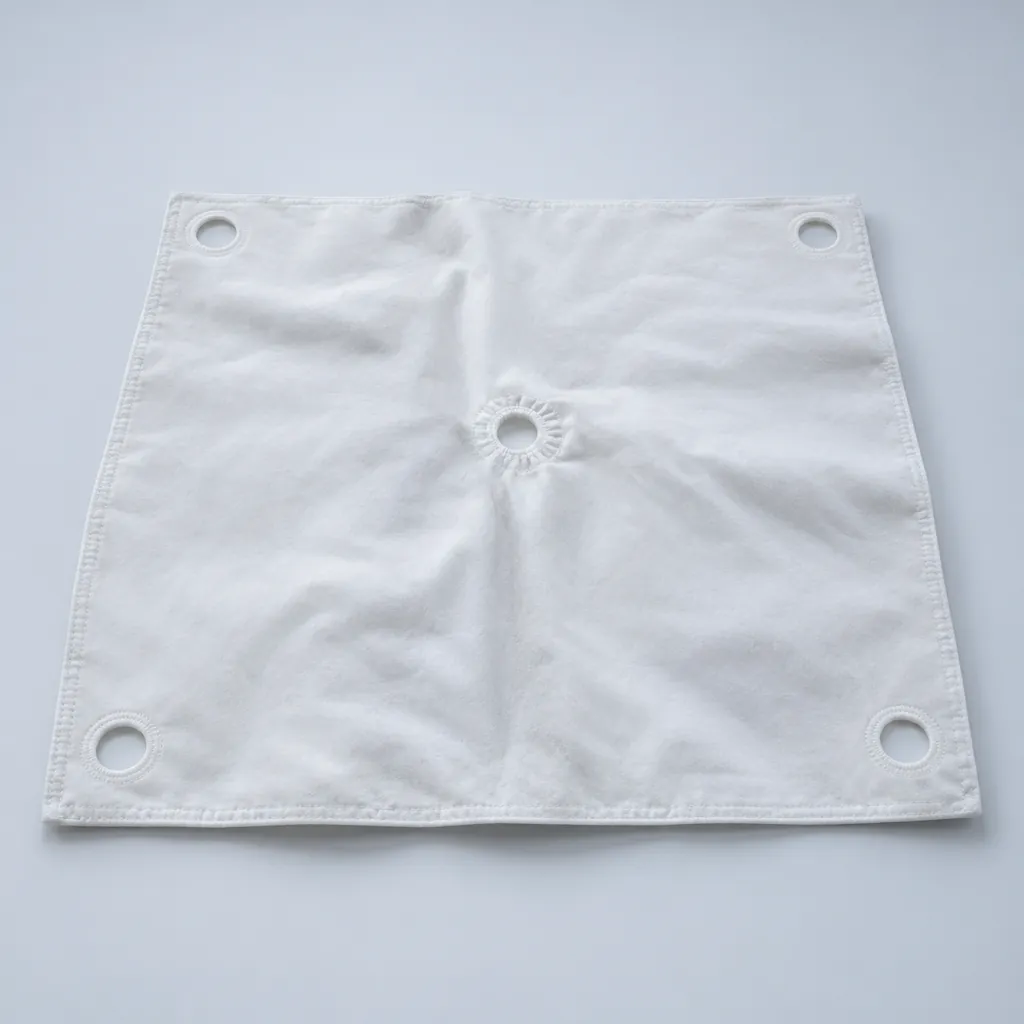
- Identify whether the press uses a plate-and-frame or chamber configuration. Send the plate reference if you have it.
- Mark the cloth outline, feed opening, other holes and attachment points on the drawing or sample.
- Describe the slurry, operating temperature, separation target and how the cloth is washed.
Send the press or plate reference, a marked cloth drawing or sample and the quantity per pattern.
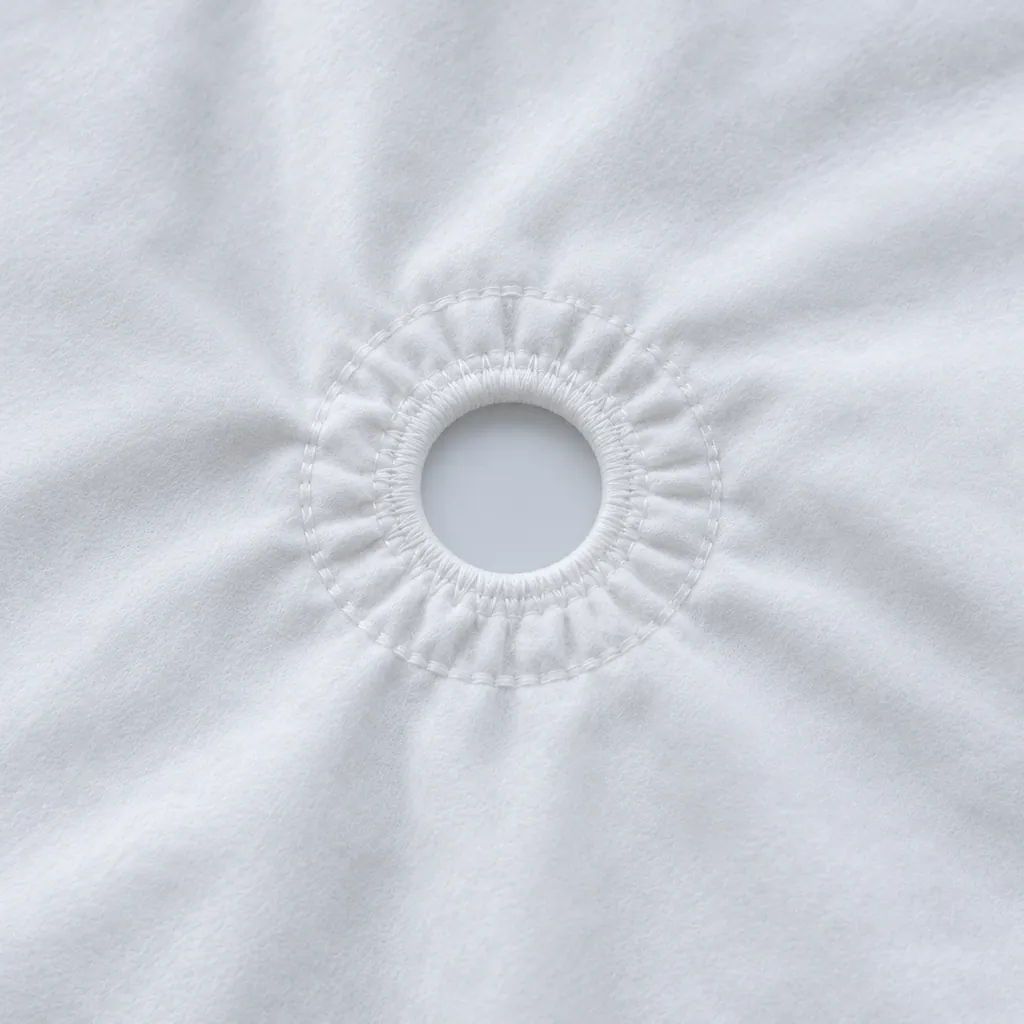
Work from the plate drawing
Lay the spare cloth flat and mark the openings and fasteners before you send the measurements. If the press has several plate patterns, list each one separately. Record the cloth material and drawing revision once the fit is approved so the next order can use the same reference.
Before you order
What if I only have a worn cloth as a reference?
Include a photo of the plate and a photo of the cloth fitted to it. Mark any stretched or torn areas on the sample and give the plate dimensions so these can be checked against the pattern.
How do I specify the cloth material?
Start with the slurry, process temperature, required separation and wash method. If the current cloth has worked well, send its material and rating information with the plate drawing.