
Introduction: Why Pulse Jet Bag Filters Are the Backbone of Industrial Dust Control
The Growing Need for Efficient Dust Control
Nobody budgets for dust control because it’s “fun.” They budget for it after a shutdown, a failed stack test, a batch ruined by cross-contamination, or the moment someone notices the haze hanging under the rafters and realizes they’ve been breathing that for a year.
And once your process kicks out steady particulate—cement, flour, ash, metal fume, carbon black—“good enough” filtration turns into constant firefighting.
The Role of Advanced Filtration Technologies
Here’s the uncomfortable truth: fabric filtration works so well mostly because of the dirt. The dust cake that builds on the bags is what grabs fine particles; the fabric is just the scaffold that holds that cake in place. That’s straight from the EPA, and it matches what every plant tech learns the hard way.
Industries That Rely on Pulse Jet Systems
Pulse jet baghouses show up everywhere serious dust shows up: cement, steel, foundries, grain handling, incineration, power generation, chemicals—the usual suspects where “powder in the air” is basically part of the job description.
Setting the Stage for Understanding System Operation
If you understand two things—how the pulse knocks dust off without stopping airflow, and why bag/cage quality decides whether that pulse cleaning behaves or turns into chaos—you’ll make better decisions than half the people spec’ing baghouses off a spreadsheet.
Understanding the Pulse Jet Bag Filter System
What Is a Pulse Jet Bag Filter?
A pulse jet baghouse is built to keep filtering while it cleans. Dirty gas flows through fabric bags, dust builds on the outside, and short blasts of compressed air snap the bags so the cake drops into the hopper—without shutting the collector down. That “clean while running” detail is the whole point.
And yes, it’s different from shaker and reverse-air designs. Those can require stopping flow (or isolating compartments) to clean; pulse jet cleaning is typically done row-by-row while the rest of the bags keep working.
Core Components and Their Functions
Filter Bags do the actual separation—gas passes through, solids don’t. But the way the dust cake forms and releases depends on the media surface, permeability, and how it handles heat, moisture, and chemistry.
Filter Cages sit inside the bags so they don’t collapse during filtration and so the pulse has something to “snap” against. If your cages are out-of-round, poorly finished, or mismatched to the bag, you’re basically sanding your bags from the inside every time the system breathes. Grey Whale’s cage specs (diameter ranges, rib counts, ring pitch, optional venturi) hint at how many small mechanical details are involved.
Pulse Jet Valves + Compressed Air System create the cleaning event. A pulse is a short-duration blast into a blowpipe/nozzle aimed at the bag opening—often through a venturi to entrain extra air and amplify the cleaning wave down the bag. Pulse durations around ~100 ms are commonly described in industry literature, and the venturi’s job (air entrainment) is not marketing—it’s physics.
Hopper and Discharge System is where the “it worked” dust ends up. If you re-entrain dust because the hopper is bridged, the rotary valve is jammed, or the interstitial velocities are wild, you can clean all day and still look like you’re filtering through a sock.
The Cleaning Principle in Action
Let’s walk it the way the air and dust experience it:
- Dust-laden air enters the collector and heads toward the bag field.
- Air passes through the filter bags while particles accumulate as a cake (and that cake is what makes fine capture so high).
- A controller fires a pulse—a quick blast of compressed air into one row (or a small group) of bags, while the rest keep filtering.
- The bag flexes/shocks, dust breaks free, and the solids fall into the hopper for removal.
Simple on paper. Messy in real life—because the mess lives in the details: pulse pressure, bag seating, venturi fit, cage straightness, and whether your dust is fluffy, sticky, oily, or basically glass shrapnel.
How Pulse Jet Bag Filters Deliver Superior Performance
Continuous Filtration Efficiency
Pulse jet collectors are popular for one boring reason: they don’t need to stop doing their job to maintain pressure drop. The system cleans selected rows while other bags stay online, so airflow can remain steady instead of cycling between “works great” and “choking.”
That matters in high-load operations where airflow is tied to the process—kilns, mills, pneumatic conveying, thermal processes. Stop the air, you don’t just lose filtration; you mess with production.
Key Operational Parameters
Air-to-cloth ratio is the blunt instrument everyone quotes because it’s easy: how much air you shove through how much fabric area. Push it too hard and you pay in pressure drop, fan energy, and bag wear.
Pressure differential (ΔP) is the “check engine light.” Dust builds up, ΔP rises, and cleaning needs to happen before ΔP gets stupid-high. Many systems use a timer, ΔP control, or both; the EPA specifically calls out pressure drop rising with dust buildup and periodic cleaning to avoid excessive pressure drop.
Industrial Applications
Pulse jet bag filters are common in cement plants, foundries, grain handling, metal processing—the places where dust isn’t a nuisance, it’s a material stream with an attitude.
They also work indoors or outdoors, as long as the design respects temperature, condensation risk, and corrosion. Get that wrong and you’ll discover the joys of blinding, sticky cakes, and accelerated bag damage.
Engineered for Industrial Demands: Grey Whale’s Custom Dust Collector Filter Bags
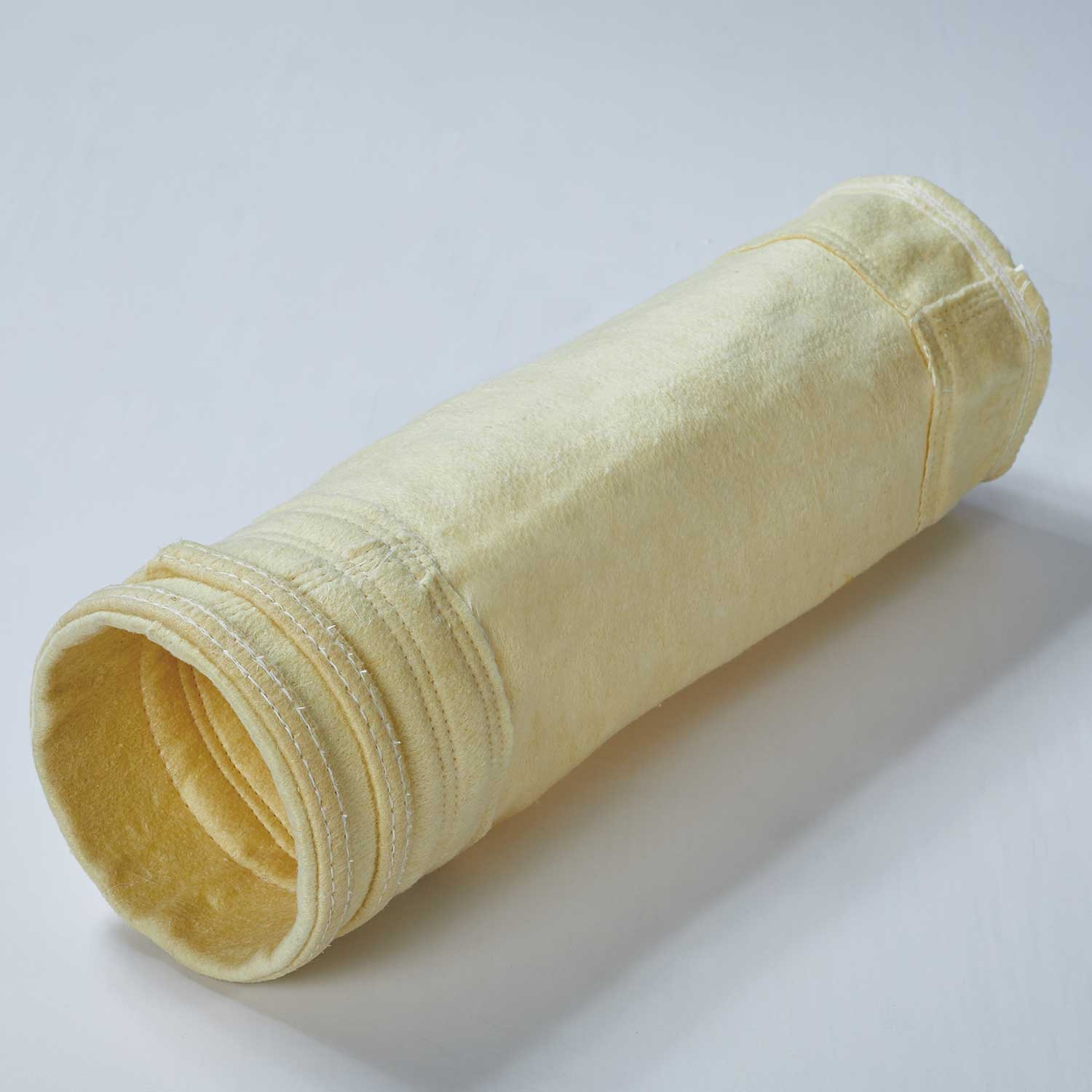
Why Filter Media Quality Determines Pulse Jet Efficiency
Pulse jet cleaning is not magic. It’s a repeated mechanical stress event—over and over—so your media needs to (1) filter well with a stable cake, (2) release that cake when pulsed, and (3) survive heat, chemistry, and flexing.
When media is wrong, you see it fast:
- Rising ΔP because the cake won’t release (or the fabric is blinding).
- Higher compressed air use because you start cranking pulse intensity and frequency to compensate. (Enjoy your compressor bill.)
- Early failures at cuffs, seams, or wear points because pulse energy + abrasion always collects its debt.
Also: don’t ignore temperature and condensation. The EPA notes that low temperatures with acid gases can condense and corrode equipment, and condensation can cause bag blinding. That’s not theory; it’s the kind of “why does everything suddenly suck?” mystery that shows up when seasons change.
Grey Whale’s High-Performance Filter Solutions
Grey Whale isn’t selling “one bag to rule them all.” They sell families of bags, because gas conditions aren’t polite.
If you’re dealing with high-temp service, start where the materials actually match the job:
- The High temperature Custom Dust Collector Filter Bag category is the right neighborhood for hot, harsh streams.
- Need serious heat and chemical resistance? PTFE needle felt is listed for use temperatures up to ≤260°C (instant 300°C)—that’s not a casual spec. See: Custom PTFE needle Dust filter Bag/Dust Collector Bag.
- For common high-temp baghouse duty across heavy industry, Grey Whale’s fiberglass needled option is rated ≤240°C (instant 300°C): Custom Fiberglass needled Dust filter Bag/Dust Collector Bag.
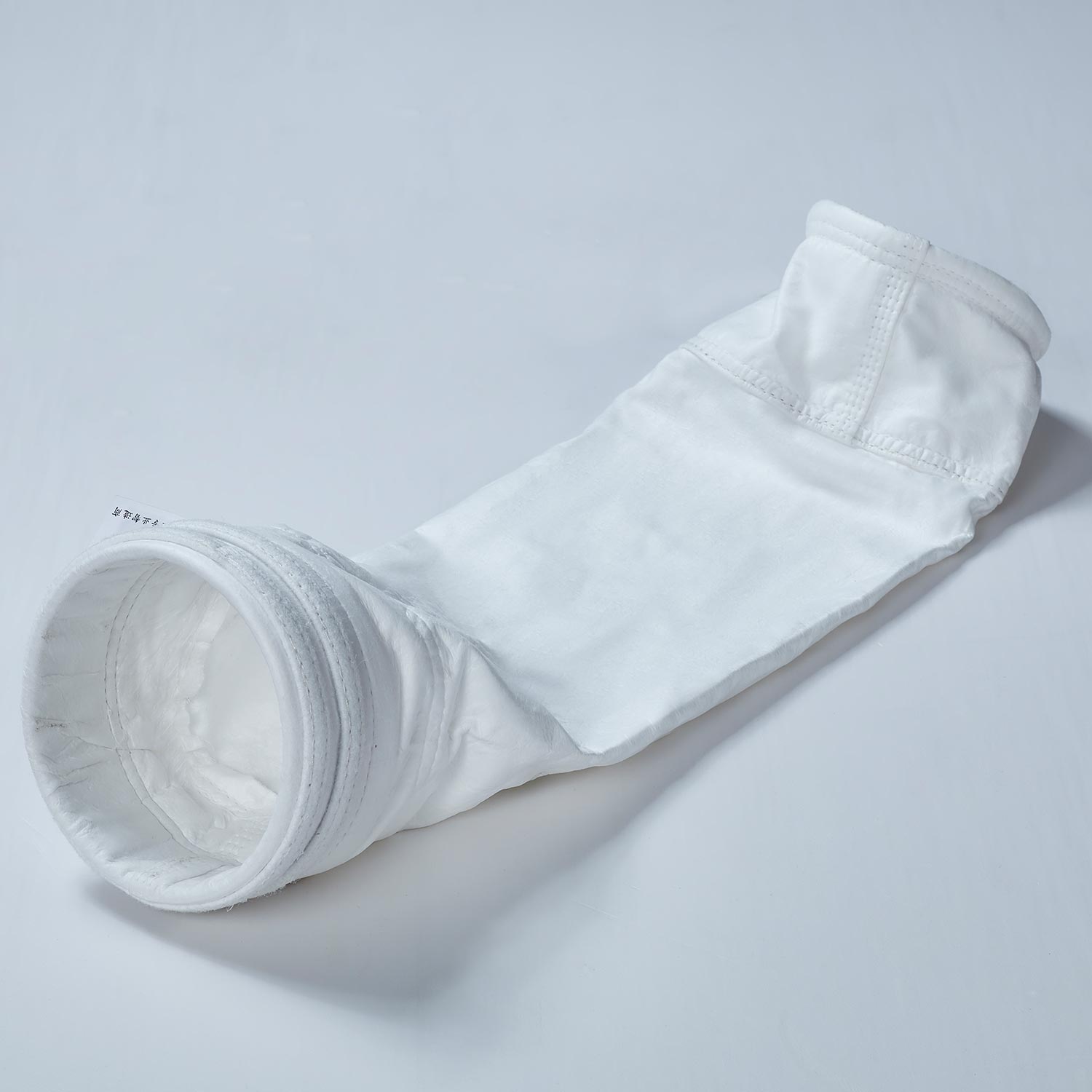
And cages aren’t an afterthought. Pulse cleaning depends on bag shape control, and Grey Whale’s cage line (rib counts, ring pitch, optional venturi) exists for a reason—consistency. Start here: Custom Dust Collector Filter Cage.
If you want a concrete example, Grey Whale lists stainless steel cage construction options (including stainless grades and dimensional ranges): Custom Stainless steel Dust Collector Filter Cage.
B2B Partnership and Value Delivery
The best supplier experiences feel boring. No drama. No “surprises.”
A real collaboration looks like this: you bring your operating temp window, dust type, moisture, any acid gases, air volume, existing bag dimensions/top style, cage dimensions, pulse pressure range, and your current failure mode (“holes at the top after 3 months,” “ΔP climbs and never comes down,” “bags look shiny and glazed”). They respond with media and build details that match the abuse.
Grey Whale’s own FAQ breaks their product temperature bands into normal, medium, and high temperature series—useful shorthand when you’re sorting options fast.
Maintaining and Tuning a Pulse Jet Bag Filter
Routine Inspection and Maintenance Practices
Start with the stuff that actually breaks:
- Pulse valves/solenoids: dead valves mean dead rows, and dead rows mean overloaded neighbors.
- Compressed air quality: water and oil carryover turns dust into paste.
- ΔP trend: don’t stare at one number—watch the curve over days. Rising baseline usually means cake not releasing, blinding, leaks, or just a ratio that’s too aggressive.
Bag changeouts should be planned around evidence, not vibes: visible damage, persistent high ΔP, emissions issues, or obvious loss of cleaning response.
Troubleshooting Common Issues
High pressure drop: check for blinded media, wet dust, condensed acids, or pulses not firing. The EPA explicitly ties dust buildup to rising pressure drop and the need for periodic cleaning, so if ΔP is climbing and pulses “seem fine,” assume they’re not fine.
Air leakage: leaks wreck airflow distribution and can push dust where it shouldn’t go. If one section of bags looks “worked” and others look lazy, you’ve got flow imbalance, not a mystical fabric problem.
Uneven cleaning: venturi misalignment, bad diaphragm valves, plugged blowpipes, or cages that don’t hold shape. Venturi design and pulse conditions affect how the cleaning pressure wave travels down the bag—research literature gets very nerdy here for a reason.
Smart Filtration and Data-Driven Monitoring
You don’t need a sci-fi dashboard. You need a few signals that catch failure early:
- ΔP trend + pulse timing state
- Compressed air header pressure stability
- Valve firing counts (to spot the row that’s not pulsing)
Predictable maintenance beats heroic maintenance. Always.
Conclusion: The Future of Industrial Filtration with Pulse Jet Technology
Pulse jet baghouses stay popular because they solve the real problem: high-efficiency particle capture with cleaning that doesn’t force the whole system to stop.
But the hardware only behaves when the wear parts are right—media that releases cake instead of hoarding it, and cages that support the bag instead of chewing it up. If you’re speccing for high-temp or harsh service, Grey Whale’s high-temperature filter bag lineup is a practical starting point, not a buzzword parade.
FAQ
How does a pulse jet baghouse differ from other types of dust collectors?
Pulse jet cleaning uses short bursts of compressed air to clean selected rows while the rest keep filtering—typically without shutting down airflow. Shaker and reverse-air designs often stop flow (or isolate compartments) to clean.
What are the main components of a pulse jet bag filter system?
Filter bags (media), cages (support), pulse valves/solenoids + compressed air header (cleaning energy), a tube sheet (bag mounting), and a hopper/discharge system (dust removal). Pulse jet designs also commonly use venturis for entrainment.
How often should pulse jet filter bags be cleaned or replaced?
Cleaning frequency depends on dust load and operating targets; many systems run on timers and/or ΔP control. Replacement is driven by damage, emissions performance, or chronic high ΔP that doesn’t recover after cleaning.
What factors influence the efficiency of a pulse jet baghouse?
The dust cake is a major driver of fine-particle capture, while pressure drop rises as dust builds and falls when cleaning works. Air-to-cloth ratio, pulse settings, media choice, and condensation/temperature issues can swing performance hard.
How do filter bag materials affect performance in pulse jet systems?
Material sets the boundaries: temperature capability, chemical resistance, permeability, and how dust releases under pulsing. For high-temp duty, options like PTFE needle felt (listed to ≤260°C, instant 300°C) or fiberglass needled felt (≤240°C, instant 300°C) exist because standard media would fail.