Introduction: Why Polypropylene Filter Fabrics Matter in Modern Filtration
Walk into any plant where the dust is damp, the fumes bite, and the “cheap” filter media turned into a glued-up mess in three weeks, and you’ll hear the same complaint: the baghouse isn’t the problem—the bags are. Wet dust cakes. Acidic exhaust. Mystery condensate that shows up at 2 a.m. and ruins your weekend.
Polypropylene (PP) keeps popping up in those conversations for a boring reason: it survives the kind of moisture + chemistry combo that makes other fabrics act dramatic. It’s also not priced like a luxury material, which matters when you’re buying hundreds (or thousands) of bags at a time.
And air filtration isn’t the only place it earns its keep. PP shows up in liquid filtration and dewatering setups because it doesn’t soak up water the way some fibers do—so it stays stable instead of turning into a swampy sponge. That’s the thread that ties this whole article together: material properties aren’t trivia; they decide whether your filtration system stays predictable or becomes a recurring maintenance ritual.
I. What Makes Polypropylene a Unique Industrial Filtration Material?
A. Material Composition and Core Properties
PP is a semi-crystalline thermoplastic with a low density (around 0.90–0.93 g/cm³). Translation: you get a lot of fiber volume without paying for extra weight, which matters when you’re building thick felts or trying to hit a target basis weight.
It’s also famously low on water pickup. A representative homopolymer datasheet lists water absorption at ≤0.01% (24 hr, immersion)—that’s a practical way of saying “hydrophobic enough to stay sane in wet gas streams and splashing environments.”
Now the catch people miss: PP’s melting point is high-ish (often cited around 160–171°C), but that does not mean it’s a high-temperature filter fabric. In dust collection, the limiting factor is softening/creep and mechanical strength loss long before you “melt” anything. Grey Whale’s own FAQ puts PP at about 80°C continuous and 100°C instantaneous. That’s the reality check you should design around.
Chemically, PP is the “poor man’s PTFE” for a reason: strong resistance to acids/alkalis is a known advantage, and it’s commonly used where chemical exposure is part of the daily routine, not an exception.
B. Why Polypropylene Outperforms Other Common Filter Fabrics
Put PP next to polyester in a wet, chemically cranky setting and the difference gets obvious fast. Grey Whale’s own guidance on bag selection calls out humidity as a real dividing line—once flue gas humidity goes past 8%, it’s “wet flue gas,” and materials with poor hydrolysis stability need caution in nasty combinations of heat + humidity + chemistry.
So PP wins when:
- Moisture is constant, not occasional.
- Acid/alkali exposure is real, not a “maybe.”
- Temperatures are low to moderate, and stable.
Cost-to-performance is the other reason buyers keep choosing it. You don’t buy PP because it’s magical. You buy it because it solves the annoying problems without asking for a bigger budget meeting.
II. Types of Polypropylene Filter Fabrics and Their Functional Designs
A. Fabric Forms and Construction Methods
Woven polypropylene filter cloth is the “control freak” option. You get repeatable pore structure based on yarn type, weave pattern, and finish—handy in dewatering and liquid filtration where you care about cake release and consistent throughput. Wovens also pair well with gentler cleaning styles (like reverse-air systems) where a thinner fabric makes sense.
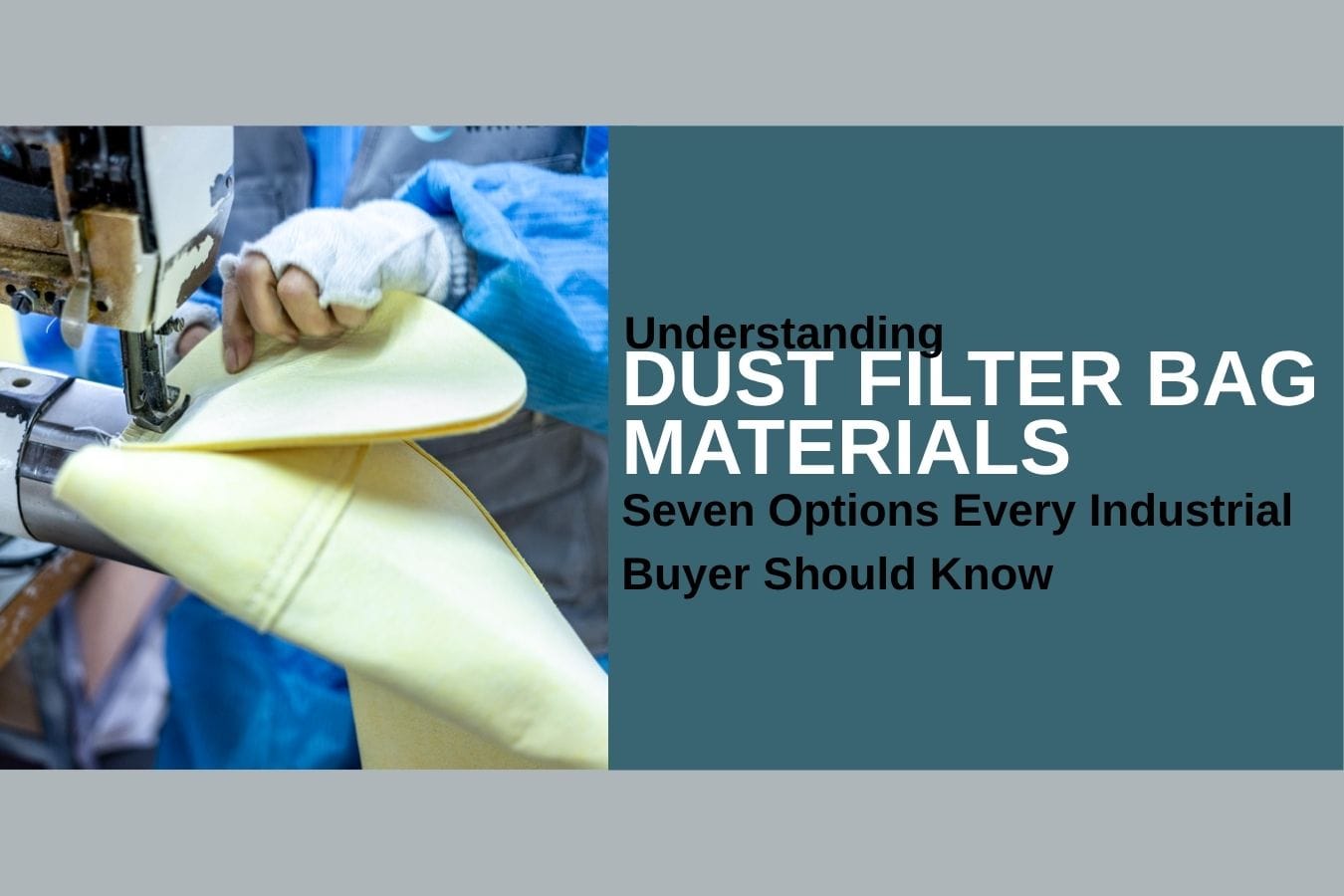
Non-woven polypropylene filter fabrics—especially needle-punched felts—are the workhorse for dust collection. Instead of orderly yarn paths, you get a dense 3D fiber maze. That structure is why needle felts tend to surface-load and build a cake without instantly blinding. The filtration mechanism is different, and it shows up as steadier pressure drop behavior when the media is matched to the dust.
B. Performance Features by Fabric Type
Here’s the blunt version:
- Filtration efficiency (micro vs. macro particles): needle-punched felts can capture fine particles because the structure has high void volume and lots of capture sites. ScienceDirect’s engineering overview describes bag filters commonly using needle-punched nonwovens as depth filters, with pore volume in the 70–90% range. That’s a big reason they breathe while still catching fines.
- Air permeability and pressure drop: higher openness usually means lower initial resistance—but surface finish and dust behavior decide whether you stay stable or clog up. Calendaring/singeing can push more “surface filtration” behavior (dust stays near the surface; cleaning gets easier).
- Moisture-management (hydrophobic behavior): PP doesn’t readily absorb water, which helps reduce sticky, soaked-in contamination that turns cleaning into a lost cause.
C. Polypropylene Filters in Air and Dust Filtration Systems
PP is a strong pick for low to medium temperature dust environments that still have chemical aggression or moisture—think certain chemical processes, fertilizer handling, salt/alkali dust, some food handling dust streams, and any setup where condensation risk is a known problem.
But don’t push it into hot zones and hope for the best. Grey Whale’s own product selection guidance splits bag classes into low-temp (<130°C), medium (130–180°C), high (>200°C), and PP lives comfortably on the low end.
III. Industrial Applications: Where Polypropylene Filter Fabrics Deliver Superior Value
A. Air Filtration and Dust Collection Applications
PP earns its keep in baghouses where the gas stream isn’t scorching, but it’s damp, corrosive, or both. That includes operations with moisture-heavy dust and intermittent temperature swings that flirt with dew point (the classic setup for sticky blinding).
And yes, you still have to think about cleaning method. Grey Whale explicitly recommends thick needle-punched felt for pulse-jet cleaning, while thin woven fabrics can suit gentler reverse-air cleaning. Pick wrong and you’ll “solve” filtration by tearing bags faster.
B. Liquid Filtration and Solid-Liquid Separation
In liquid filtration, PP shows up because it stays chemically calm in many acids/alkalis and doesn’t drink water. Needle felts are also used in traditional liquid filtration specifically because their structure gives durability and higher open area compared with wovens—International Filtration News describes felts often running 70–75% open area vs. typical wovens around 30–35%, which helps flow while maintaining capture.
Typical fits:
- wastewater and industrial water polishing
- chemical process streams (especially where corrosion risk is real)
- food/pharma contexts where you want an inert, non-reactive media and good cleanliness practices
C. Specialty Environmental and Fume Control Uses
PP can be useful in fume/exhaust situations where chemical resistance matters more than temperature resistance. It’s not the fabric for hot acid gas at high temperatures—different game, different fiber family. But for low-temp, corrosion-prone exhaust, PP is often a sensible “stop losing bags to chemistry” move.
IV. How Grey Whale Supports Industrial Clients with Custom Polypropylene Filter Solutions
A. Tailored Filtration Media for Operational Requirements
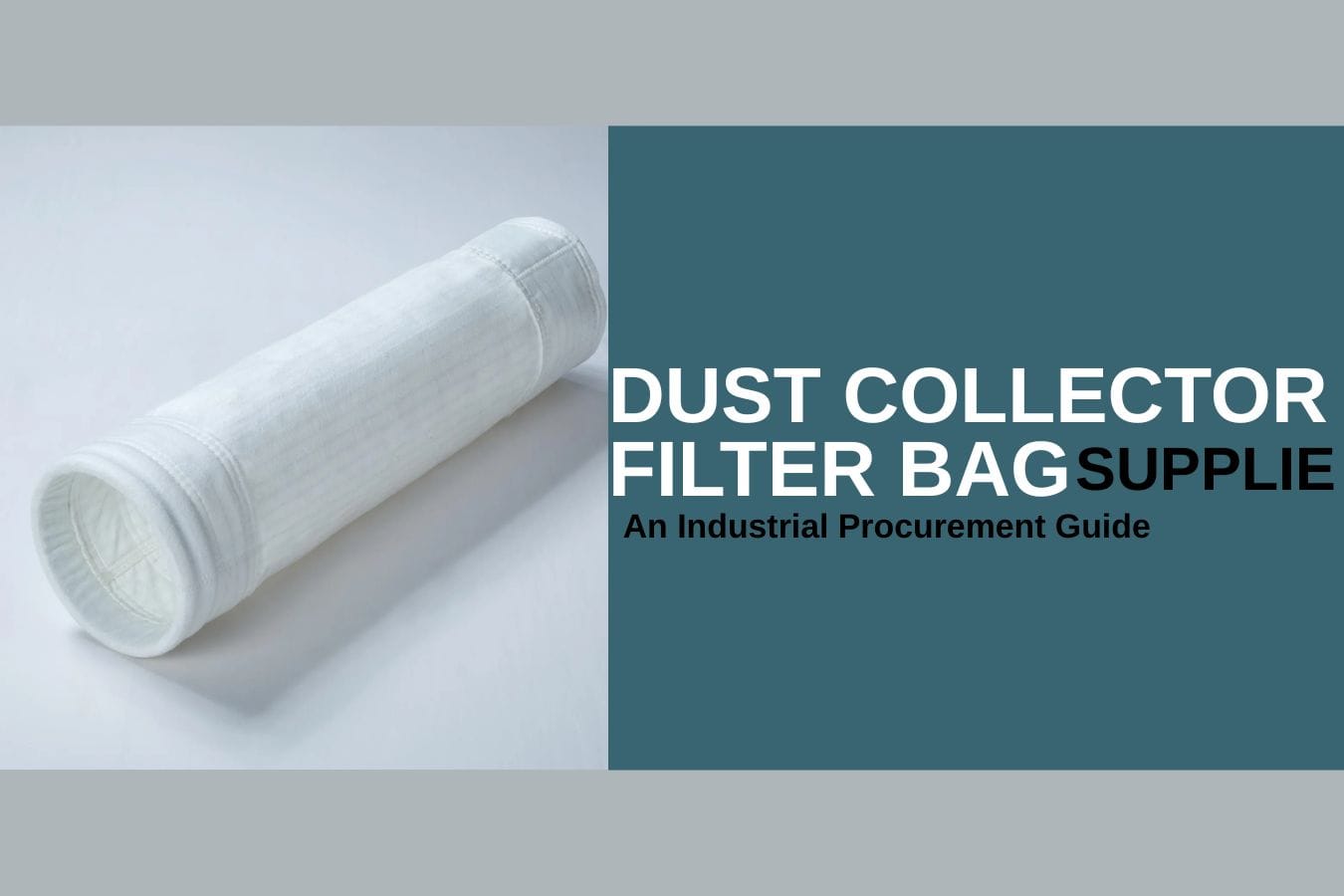
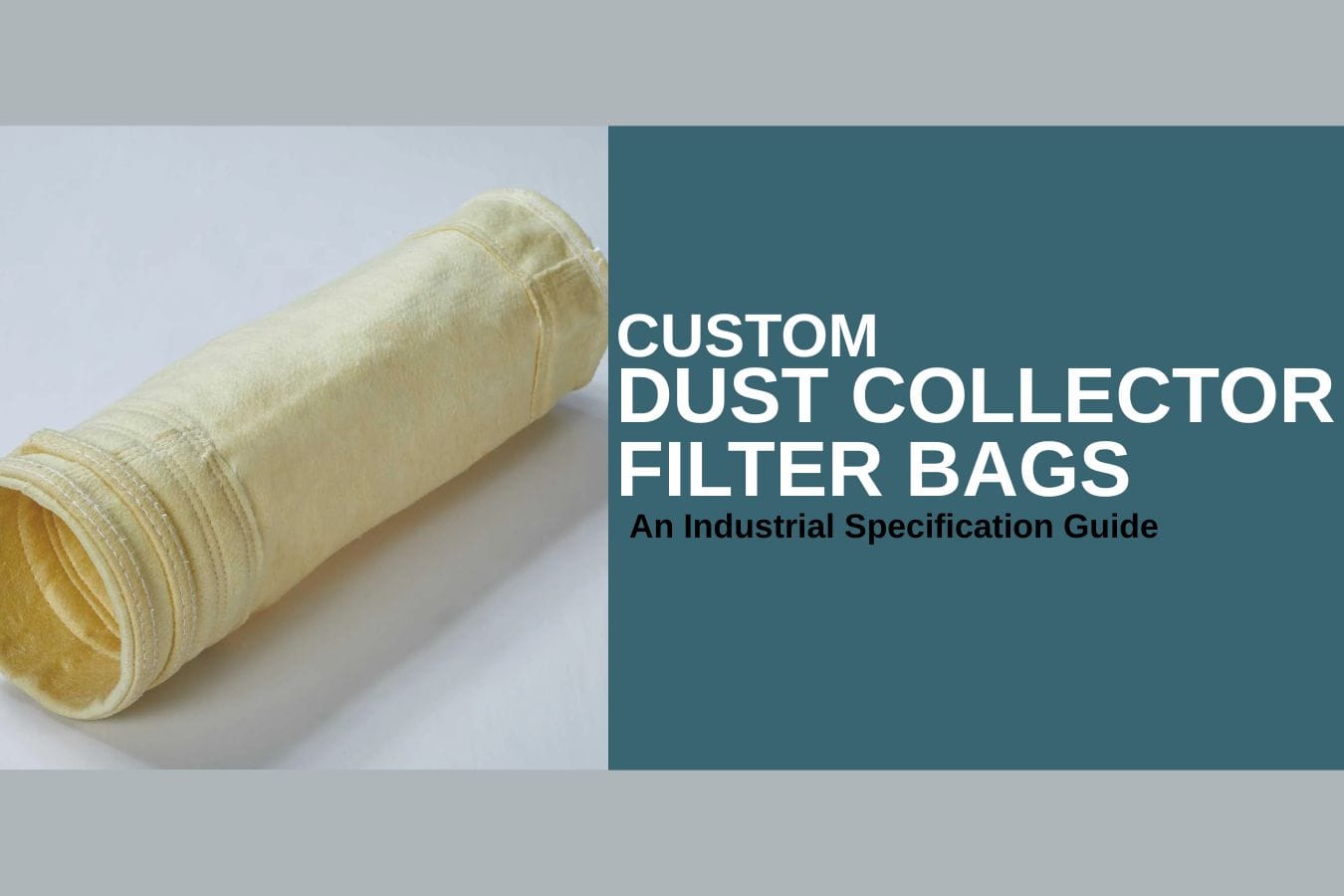
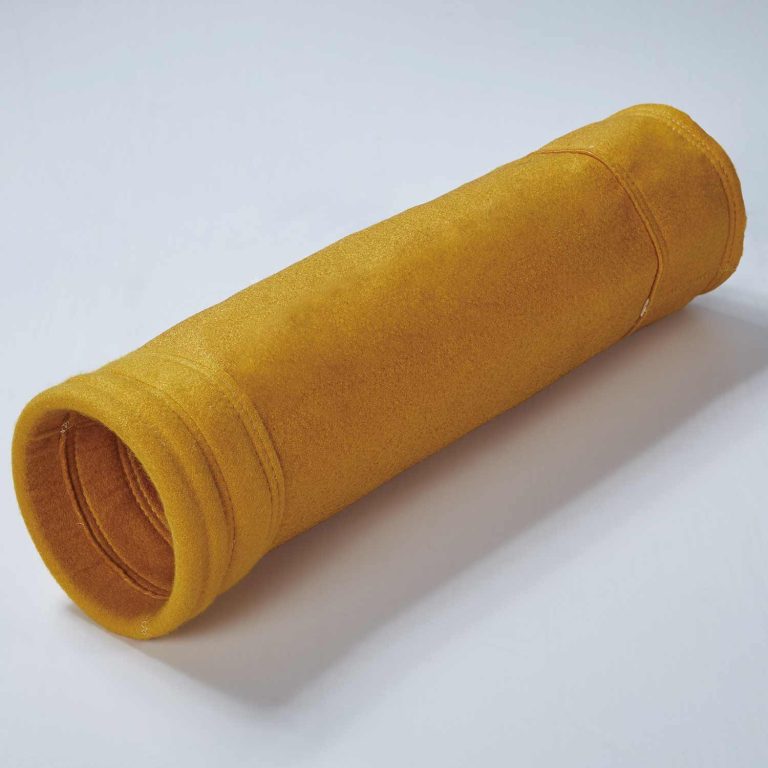
“PP filter bag” isn’t one product. It’s a pile of decisions: felt weight, thickness, permeability, surface finish, seam design, anti-static needs, water/oil repellency, membrane options, and the unpleasant truths about your actual gas stream.
Grey Whale’s own stance on selection is refreshingly honest: no single bag meets every condition (temperature, humidity, corrosion, etc.), so you match material to the flue gas and dust reality—not the purchasing spreadsheet.
If you want the short internal roadmap, start at our own selection write-up: How to Choose the Right Dust Filter Bag.
B. Focus Product: Custom Dust Collector Filter Bags (Room-Temperature Series)
If you’re running below 130°C, you’re in the territory Grey Whale calls its “normal temperature series.” That’s where PP makes sense: low-temp, wet, chemically aggressive, and annoying.
Grey Whale groups these offerings under Room temperature Custom Dust Collector Filter Bag and the broader catalog.
Why PP works well for B2B buyers in that lane:
- Stable behavior in moisture-heavy service (less water pickup, less “media turns into paste”)
- Strong resistance to acids and alkalis, which is why PP gets compared to PTFE in plain language
- Predictable temperature limits (and they’re not high—plan around ~80°C continuous)
C. Strengthening System Reliability with Filter Cages
A great bag on a lousy cage is still a lousy installation.
Filter cages keep the bag open, support airflow geometry, and reduce abrasion and collapse—especially under pulse-jet cleaning where the bag is constantly flexing. Grey Whale manufactures cages with configurable dimensions, rib counts, lengths, and optional venturi/protective sleeves (their cage specs list diameters, lengths up to custom ranges, rib counts, ring pitch, and venturi options).
Start here: Custom Dust Collector Filter Cage.
D. Technical Partnership Approach
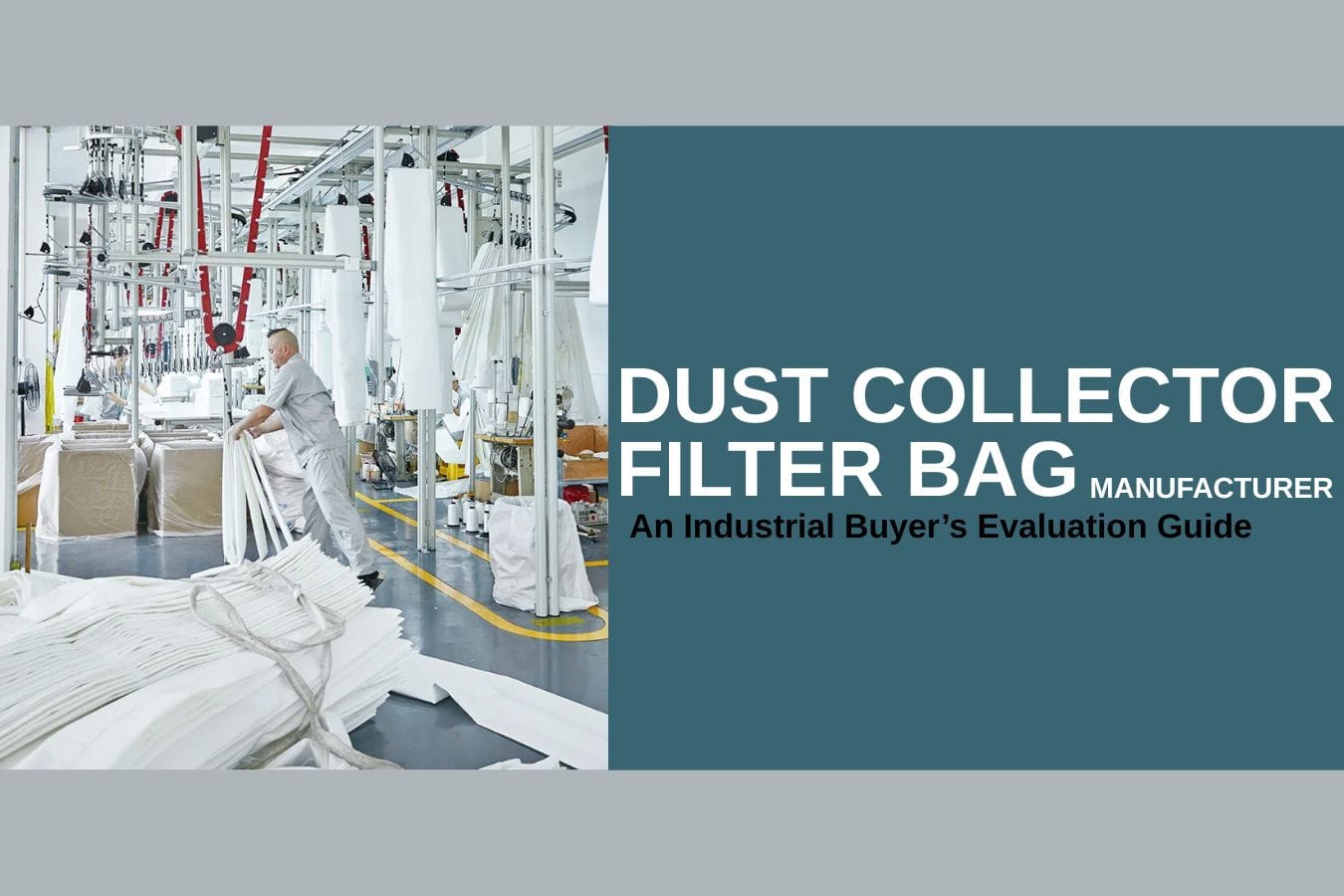
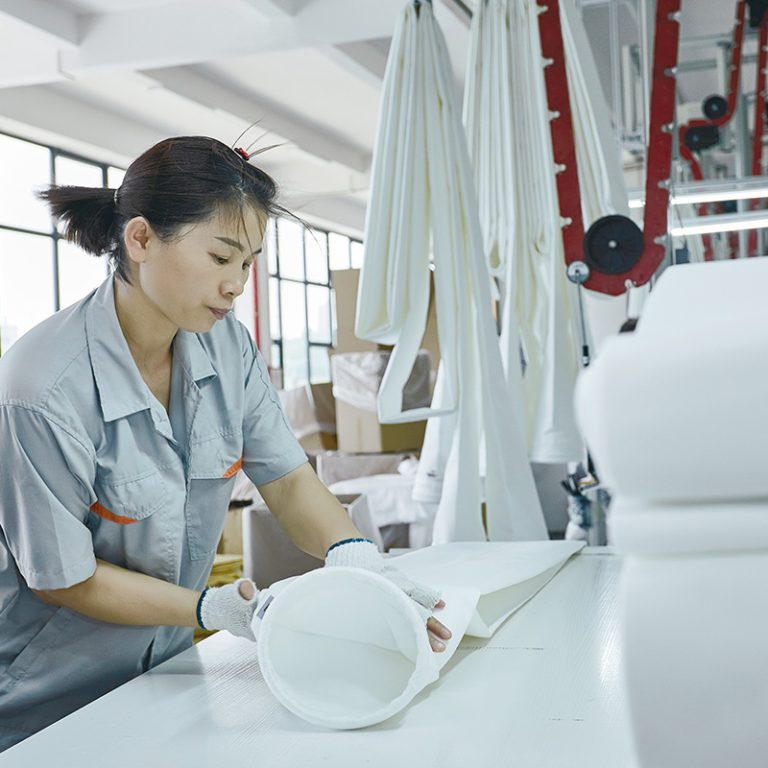
Grey Whale isn’t pretending to be a reseller with a brochure. They present themselves as an OEM/ODM-focused manufacturer (established 2015) with dedicated production bases and both filter media lines and bag cage production capacity—exactly the kind of setup B2B buyers look for when they’re tired of inconsistent batches.
If you want to skip the browsing and go straight to requirements + quoting, their page is the cleanest route.
Conclusion: Polypropylene Filters as a Strategic Asset for Industrial Filtration
PP is not your “one fabric for everything.” It’s your “stop bleeding money in wet, corrosive, low-temp service” fabric.
Pick it for the right reasons—hydrophobic behavior, chemical resistance, sane pricing, and realistic temperature limits—and it’ll run quietly in the background like good filtration should. Ignore its temperature ceiling and you’ll cook it, stretch it, and blame the baghouse.
As a professional Filter Bag Manufacturer, Grey Whale’s angle is simple: engineer the PP media and the hardware together (bags + cages), so your system stays consistent instead of turning into a maintenance hobby.
FAQ
What is polypropylene filter fabric and how is it used in industrial filtration?
It’s a hydrophobic, chemically resistant polymer fabric used in both air (baghouses/dust collectors) and liquid filtration, especially where moisture and acids/alkalis are common.
What makes polypropylene filters different from polyester or acrylic filters?
PP is chosen primarily for wet/chemical resistance and low water pickup; polyester is often used broadly but can be less forgiving in certain high-humidity chemistries, depending on conditions.
Is polypropylene filter cloth suitable for high-temperature applications?
Not usually. Grey Whale lists PP around 80°C continuous and 100°C instantaneous—that’s low-temp service in filtration terms.
What is the typical micron rating of polypropylene filter fabrics?
It depends on construction (woven vs felt vs membrane). Needle-punched nonwovens act as depth media; performance is specified by efficiency/pressure drop and dust cake behavior as much as “microns.”
Can polypropylene filter bags be used in baghouse dust collectors?
Yes—when the flue gas is in the low-temp band (often <130°C), custom dust collector filter bags using polypropylene are a smart fit for demanding chemical and moisture conditions.