Introduction: Why Bag Material Selection Defines Dust Collection Performance
Everybody loves to blame the dust collector when emissions creep up and DP goes sideways. The fan. The valves. The PLC. The “mystery” leak somebody “definitely” fixed last shutdown.
Most of the time? It’s the bags. You picked a media that never belonged in that gas stream, then acted shocked when it aged like milk.
Here’s the direct link: media choice controls how fast a dust cake forms, how easily pulses knock it off, how much air you can move without choking the system, and how long you can run before you’re buying bags again. Grey Whale’s own spec sheets spell this out the boring way—weight, permeability, post-treatment, temperature rating—because reality is boring and expensive.
And no, industrial environments don’t get “one-media-fits-all.” Temperature spikes, dew point flirting, sticky dust, abrasive dust, acid gases, oily mist—pick your poison. Your job is matching media to the poison you actually have, not the one you wish you had.
I. Polyester Filter Media: The All-Purpose Workhorse
A. Key Properties
Polyester is the default because it’s tough, available, and forgiving—up to a point. The typical operating ceiling you’ll see is about ≤130°C on standard polyester needle felt. Past that, you’re living on borrowed time.
Mechanically, it’s the “I can take a punch” option: good strength, decent abrasion tolerance, easy to manufacture in a lot of weights and finishes. And those finishes matter—heat setting, singeing, calendering, even PTFE film—because raw felt can blind faster than people admit.
B. Ideal Application Scenarios
- General manufacturing where the gas is sane and the dust isn’t chemically aggressive.
- Woodworking where you’re moving mountains of sawdust and you need a media that won’t fall apart just because the airflow’s high.
C. Limitations to Consider
Polyester doesn’t belong in real heat. It also doesn’t belong where chemistry is nasty—especially if acids + moisture are flirting with condensation. If your process crosses dew point, polyester turns into a maintenance plan.
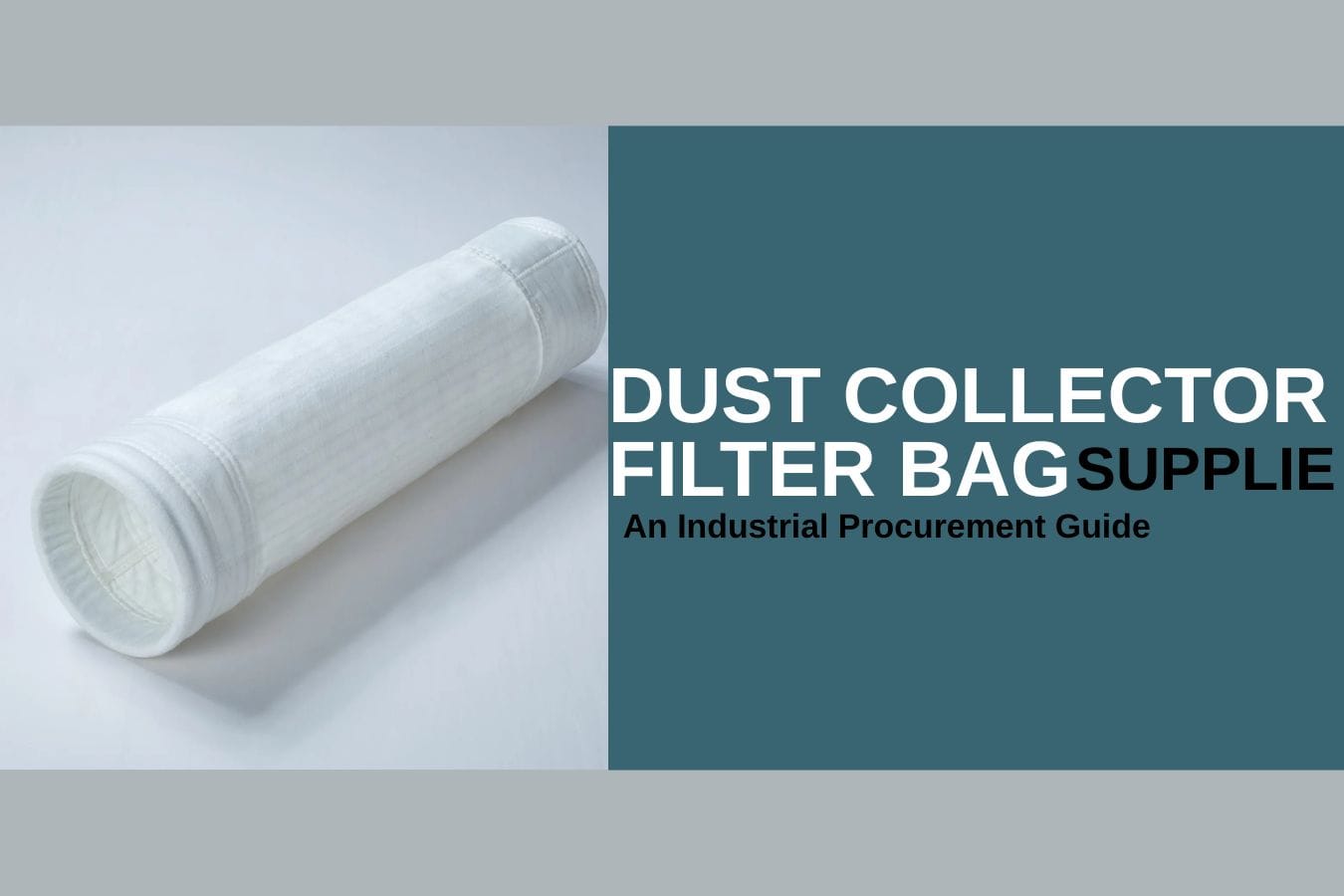
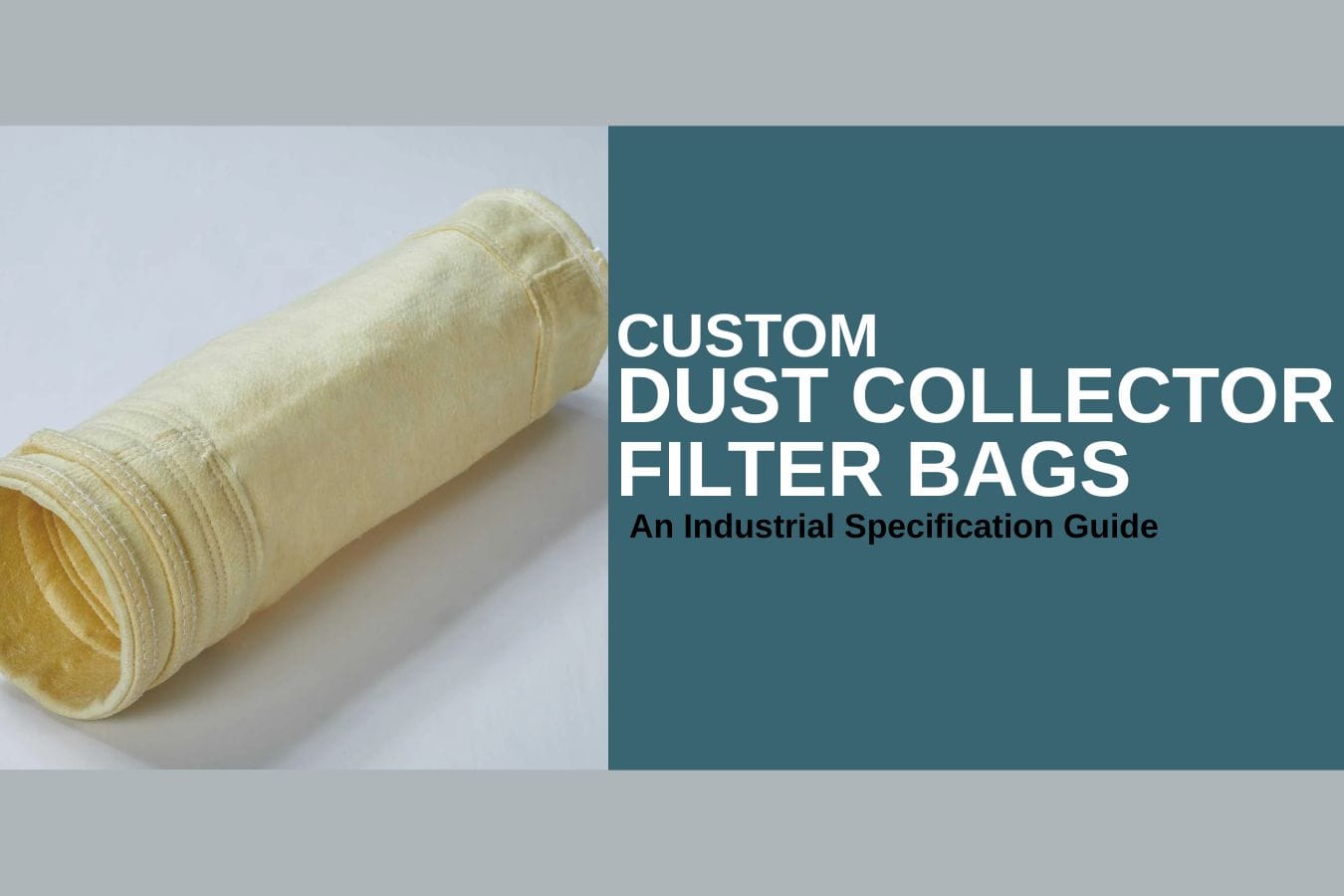
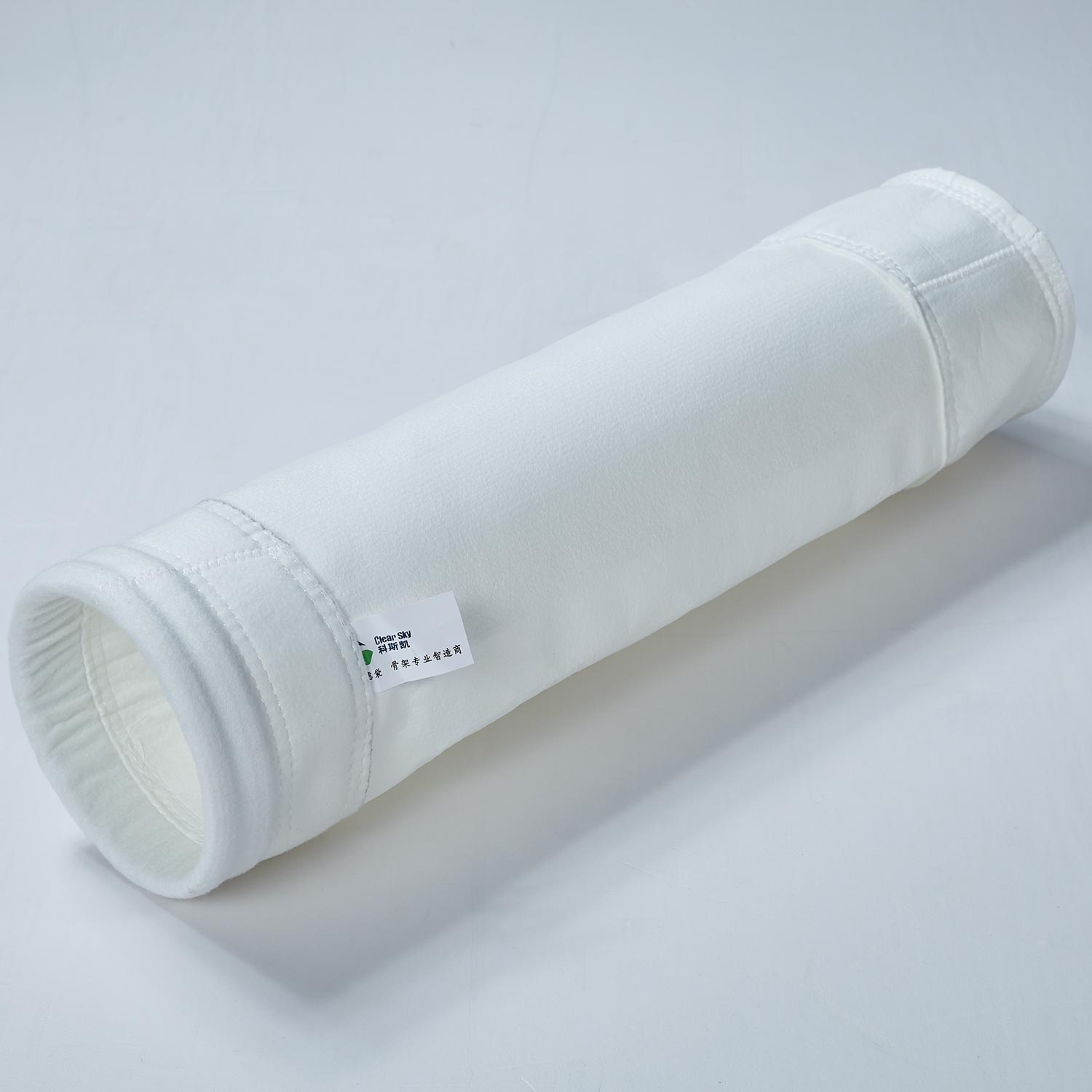
If you want a baseline reference point, this is it: Custom Polyester needle Dust filter Bag/Dust Collector Bag.
II. Polypropylene Filter Media: Chemical-Resistant and Cost-Efficient
A. Core Characteristics
Polypropylene (PP) is the “wet + chemical” specialist. It’s hydrophobic, and it shrugs off a lot of acids and alkalis that bully polyester. The catch is heat: many guides put PP’s practical temperature limit around ~77–90°C (depending on construction and conditions).
So yes, it’s cost-friendly in the right lane. No, it’s not a clever hack for medium-temp work.
B. Common Industrial Uses
- Chemical processing where corrosion is the headline risk, not temperature.
- Moisture-heavy streams where you’d rather not watch a media absorb water, swell, and glue dust into concrete.
C. What It Cannot Handle
Heat. Not “a little over spec sometimes.” Heat. If you’re seeing 120°C and telling yourself PP will be fine, you’re not being bold—you’re being sloppy.
III. Aramid (Nomex) Filter Media: High-Temperature Stability
A. Core Advantages
Aramid (often called Nomex) is where you go when polyester taps out. Grey Whale’s Nomex needle felt spec shows a working temperature around ≤204°C with instant up to 230°C. That’s a serious jump.
It also holds up well under mechanical stress—folding, flexing, abrasion—where fragile high-temp options can crack or shed.
B. Application Areas
- Foundries where hot dust and abuse are part of the business model.
- Asphalt mixing plants where temperatures aren’t “high,” they’re “angry.”
C. Considerations
Nomex is not the king of strong acid or strong alkali environments. If your gas stream has aggressive chemistry (or you’re forming acids via condensation), you can cook a pricey bag fast—and then everyone points at “bag quality” instead of process reality.
If you want the straight product reference: Nomex needle filter bag.
IV. PPS (Polyphenylene Sulfide): The Heavy-Duty Chemical and Heat Performer
A. Material Strengths
PPS exists for ugly flue gas. Grey Whale’s PPS needle felt description calls out acid/alkali resistance, oxidation resistance, and a working range around ≤180°C with instant up to 210°C.
This is the “coal + sulfur + heat” zone where basic media don’t last.
B. Key Industrial Uses
- Coal-fired boilers and other sulfur-heavy combustion situations.
- Waste incineration where chemistry changes with whatever got tossed in that day.
C. Operational Notes
Here’s the part people skip: dew point mistakes ruin lives. If you let the system drop into condensation and turn your dust cake into sticky acid mud, you can damage any media and spike DP until the collector wheezes. PPS is tough, not magical—keep the process stable and the gas where it belongs.
Reference product: Custom PPS needle punched Dust filter Bag/Dust Collector Bag.
V. PTFE (Polytetrafluoroethylene): Premium Performance for Extreme Conditions
A. Why It Stands Out
PTFE is what you buy when you’re done gambling. Grey Whale’s PTFE needle felt lists ≤260°C with instant up to 300°C, plus the whole “chemical stability” story PTFE is famous for.
The practical bonus: PTFE is slick. Dust doesn’t love sticking to it. That usually means easier cleaning and less nasty blinding—especially when the dust is fine, tacky, or borderline reactive.
B. Application Examples
- Hazardous chemical production where “maybe compatible” isn’t acceptable.
- Ultra-clean emission requirements where you’re chasing very low outlet numbers and can’t afford media breakdown.
C. Trade-offs
It costs more. And yes, the sticker price stings.
But if PTFE buys you longer changeout intervals, fewer shutdown surprises, and steadier DP, it can be cheaper over the life of the system. That’s not poetry. That’s math.
Reference product: Custom PTFE needle Dust filter Bag/Dust Collector Bag.
VI. Fiberglass Filter Media: Rigid, High-Temperature Solution
A. Distinctive Benefits
Fiberglass is the old-school high-temp option—strong in heat, stable in shape, and common in serious industrial filtration. Grey Whale describes fiberglass needled felt as usable around 240°C with short time up to 300°C.
It’s also widely used across cement, steel, power, and incineration applications—basically anywhere hot gas is normal, not a surprise.
B. Common Uses
- Cement kilns and kiln-related collection points.
- Metal smelting and other high-heat dust collection systems.
C. Challenges
Fiberglass can be less forgiving physically. Mishandling during installation—bad cages, rough changeouts, careless crews—can turn “good material” into “why are we leaking dust already.”
Reference product: Custom Fiberglass needled Dust filter Bag/Dust Collector Bag.
VII. Acrylic Filter Media: Moisture and Chemical-Friendly Midrange Option
A. Functional Traits
Acrylic sits in the middle: better with moisture and mild chemistry than plain polyester, but not a high-temp hero. Grey Whale’s acrylic needle felt mentions filtering up to ~150°C and positioning for acid/alkali conditions.
It also tends to have good air permeability—nice when you need flow without turning DP into a daily argument.
B. Suitable Industries
- Grain processing where humidity and dust behavior can be… dramatic.
- Food dust extraction where moisture and sticky fines show up more often than people admit.
C. Weaknesses
Don’t push acrylic into true high-temperature duty, and don’t pretend it’s PTFE when the chemistry gets aggressive. Midrange media has midrange consequences.
Reference product: Custom Acrylic needle Dust filter Bag/Dust Collector Bag.
VIII. Highlighted Integration: How Grey Whale Supports Material Selection
A. The Importance of Choosing the Right Bag Material in B2B Applications
Industrial buyers don’t get points for bravery. You get points for uptime, predictable maintenance, and not getting yelled at during audits.
Media choice sets:
- bag life (and how often you shut down),
- cleaning stability (and whether DP behaves),
- compliance risk (and whether emissions drift when the bags age).
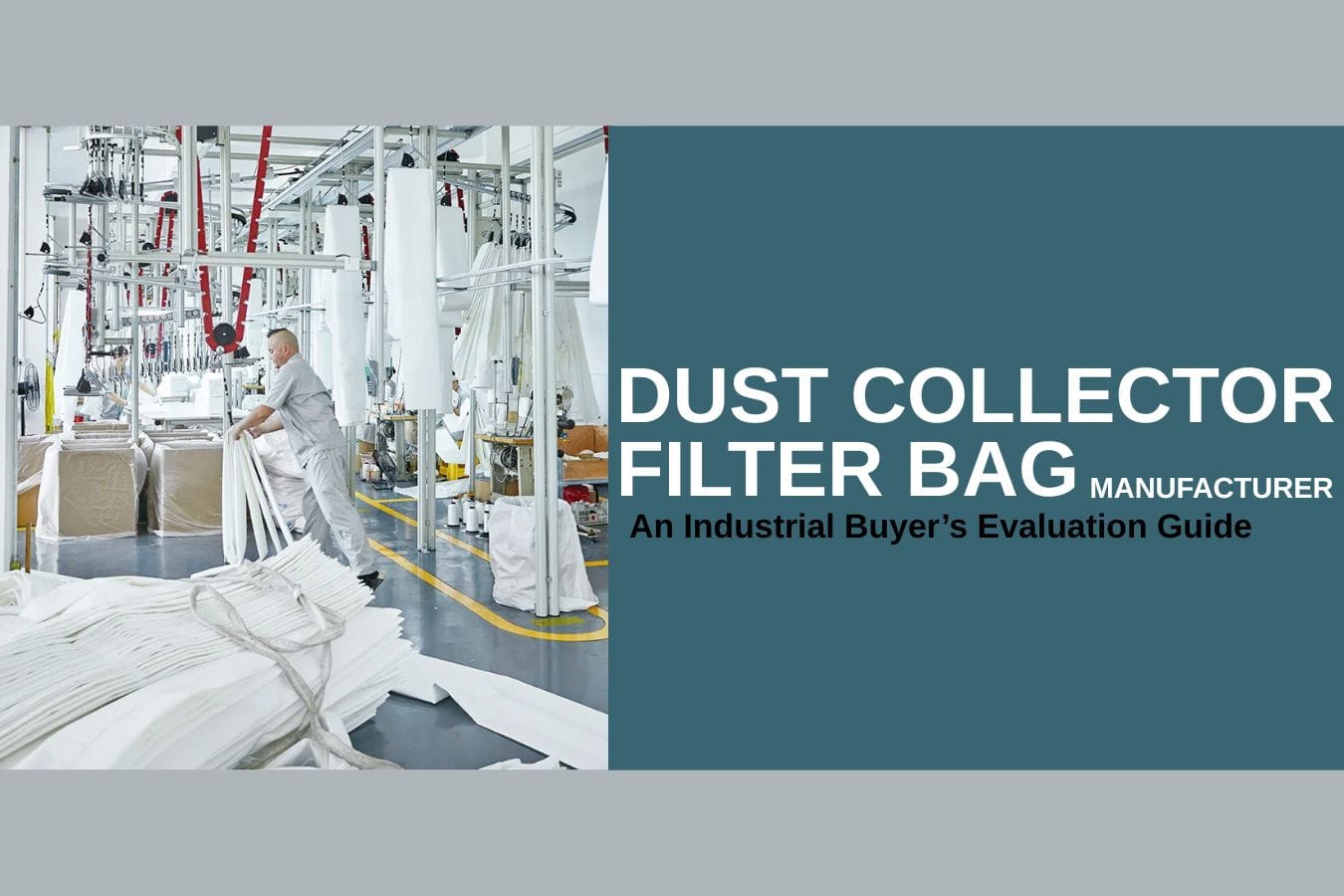
Grey Whale positions itself as a manufacturer focused on customized filter bags and dust removal accessories, with OEM/ODM capability—meaning you’re not stuck buying “whatever’s on the shelf.”
B. Grey Whale’s Product Example: Medium Temperature Dust Collector Filter Bag
If your process is living in that uncomfortable middle—too hot for polyester, not quite a fiberglass/PTFE situation—Grey Whale groups relevant options under its medium-temp category. That’s where Nomex and PPS-type choices usually enter the chat.
Start here: Medium temperature Custom Dust Collector Filter Bag.
C. Supporting Components: Custom Filter Cages
Your media can be perfect and still fail if the cage is trash. Bad cage geometry means uneven bag expansion, wear points, and early holes—then everyone argues about “material defects.”
Grey Whale’s cage options include materials like carbon steel/galvanized/stainless (201/304/316/316L), with customizable diameters/lengths and rib counts—details that actually matter when you’re trying to stop bag abrasion.
Reference: Custom Stainless steel Dust Collector Filter Cage.
Conclusion: Material Choice Drives System Longevity
Your dust collector doesn’t care what you meant to buy. It only reacts to temperature, chemistry, moisture, and dust behavior.
Polyester covers the boring lane. Polypropylene owns wet chemistry but hates heat. Nomex handles real temperature. PPS is built for nasty combustion gas. PTFE is the “stop rolling dice” option. Fiberglass takes big heat but demands careful handling. Acrylic works in that humid middle—until you ask it to do a PTFE job.
If you want fewer surprise shutdowns, pick media like you’re paying the bill. Because you are.
FAQ
What are the most commonly used materials for industrial dust collector bags?
Polyester, acrylic, aramid (Nomex), PPS, PTFE, and fiberglass are common picks, depending on temperature and chemistry.
Which filter bag material is best for high-temperature environments?
For higher temperatures, aramid, PPS, fiberglass, and PTFE are typical candidates—chosen based on the gas chemistry and the actual operating range.
How do I choose the right media for chemical-resistant applications?
Start with the actual chemistry (acids, alkalis, oxidizers), then check temperature and dew point risk. PTFE is the broad “safe” choice; PP and PPS can work in narrower lanes.
What is the difference between polyester and polypropylene filter bags?
Polyester usually tolerates higher temperatures than polypropylene, while polypropylene usually handles acids/alkalis better at lower temperatures.
Can moisture damage certain filter bag materials?
Yes. Moisture plus dew point cycling can cause blinding, sticky cakes, and chemical attack—often faster than the material datasheet suggests.