Introduction: Why Understanding F-Class Efficiency Grades Matters for Industrial Air Filtration
You know what’s expensive? Not filters. Downtime is expensive.
The “mystery dust” that shows up on a paint line at 2:00 AM. The pharma room that suddenly can’t hold pressure. The electronics area where yield drops and everyone pretends it’s “process variation.” Most of the time, it’s not drama. It’s basic filtration choices made by people who treated F5/F6/F7/F8 like marketing labels instead of performance brackets.
A. The growing need for standardized filtration performance
Industrial sites don’t all want the same air. A welding shop wants to keep coils clean and fan coils alive. A tablet line wants to keep fine particles out of product and out of lungs. A coating booth wants fewer defects, fewer reworks, and fewer arguments.
And that’s why grades matter: they connect a filter to a measured result—what it actually catches, how consistently it catches it, and how hard your fan has to work to push air through it. Standards exist because “trust me” is not a spec.
B. F-series (F5–F8) as a critical segment in medium-efficiency air filtration
F5–F8 sits in the middle of the real world: above coarse prefilters, below HEPA/ULPA. It’s where plants try to balance cleanliness with airflow, cost, and maintenance. Get this band wrong and you either (1) choke your system, or (2) blow dust downstream and pay for it later—usually with labor, scrap, and finger-pointing.
I. The Framework Behind F-Series Air Filter Classification
A. What the “F” Rating Represents
“F-class” comes out of the older European EN 779 scheme. Under EN 779:2002, filters were grouped (G = coarse, F = fine) and the F-classes were defined by average efficiency against 0.4 μm particles, with a specified final test pressure drop (often listed as 450 Pa for F-classes).
Then EN 779:2012 cleaned up a messy reality: the old F5 and F6 were re-labeled as M5 and M6 (M = medium), while F7–F9 stayed “fine.”
So if you still see “F5/F6” on a spec sheet today, it’s usually legacy naming, shorthand, or a supplier borrowing the old labels because buyers recognize them.
B. Measurement Parameters Used in Classification
1. Particle size distribution
EN 779 testing doesn’t just eyeball dust. It uses controlled aerosols and counts particles upstream and downstream. One common point: 0.4 μm is used as the reference size for efficiency classification.
2. Average filtration efficiency
For EN 779:2002-style F-classes, the dividing lines were basically these average efficiency (Em) bands at 0.4 μm: F5 (40–60%), F6 (60–80%), F7 (80–90%), F8 (90–95%).
That’s the “how” behind the labels. It’s not vibes. It’s brackets.
3. Resistance and airflow stability
Efficiency is only half the story. The other half is resistance—pressure drop. EN 779 classifications include a final test pressure drop limit (commonly 450 Pa for these classes), because a filter that “tests great” but turns your airflow into a sad trickle is not doing you a favor.
C. Why Consistent Testing Conditions Are Critical
Here’s the thing: if two suppliers test under different conditions, comparing “F7 vs F7” can turn into a comedy routine. Same label, different dust, different velocities, different loading protocol—different outcome.
Standards exist to force comparability. Not perfect comparability (real sites are messy), but enough that you can make purchasing decisions without rolling dice.
II. How F5, F6, F7, and F8 Filters Are Divided
A. Efficiency Ranges and Their Meaning
Let’s keep it blunt: the grades are divided by measured efficiency bands, not by what brochure copy says.
1. F5
F5 is the entry ticket to “fine filtration” in the older EN 779:2002 naming—40–60% average efficiency at 0.4 μm. It’s usually used as a first-stage fine filter so your downstream filters don’t get wrecked early.
2. F6
F6 steps up to 60–80% at 0.4 μm. Still not “cleanroom air,” but it’s a noticeable jump in fine dust control compared to F5.
3. F7
F7 is where people start acting serious. Under EN 779:2002 it’s 80–90%, and under EN 779:2012 it stays in the fine-filter family with both average efficiency and a minimum efficiency concept (to deal with electrostatic effects dropping off).
4. F8
F8 sits at 90–95% average efficiency at 0.4 μm in the older EN 779 brackets. It’s often treated as “borderline high efficiency” in HVAC terms—especially as a strong prefilter before HEPA in sensitive areas.
B. Differentiation Based on Filtration Performance Curves
Real filters don’t behave like a single number.
Efficiency changes with loading. Pressure drop changes with loading. And the ugly part: some media types can look fantastic at the start because of electrostatic charge, then lose performance after that charge dissipates.
That’s one reason EN 779:2012 added minimum efficiency requirements for the higher fine classes (F7–F9) and why modern thinking moved toward ISO 16890 testing that tries to reflect real particle distributions better.
C. Impact of Media Structure on Grade Classification
1. Fiber density and layering
Denser fiber packs and smarter layer gradients generally push you up the scale—at the cost of higher resistance.
2. Depth vs. surface filtration behavior
Depth-loading media can hold more dust before it spikes in pressure drop. Surface-loading (especially with membranes) can give strong fine capture and better pulse cleaning—but you’d better size airflow correctly.
3. Material maturity and dust loading capacity
Some media rely on electrostatic attraction early. Others (like glass fiber) don’t care about charge loss as much. That difference shows up in minimum efficiency behavior, which is why “same class” doesn’t always mean “same in the field.”
III. Where Each F-Level Filter Is Used
A. F5 and F6 (General Industrial and Commercial Use)
F5/F6 (or M5/M6 if you’re using EN 779:2012 naming) are common in:
- HVAC prefilter trains for offices attached to plants
- General manufacturing where you’re protecting coils, fans, and ducts
- Any setup where you want to stop heavier dust from chewing up the next stage
They’re also a sanity filter: cheap enough to replace before your expensive downstream stages get ugly.
B. F7 (Fine Filtration Requirements)
F7 shows up when the air actually touches something sensitive:
- Pharmaceutical production areas and support zones
- Electronics/precision assembly (because fine dust loves static and ruins everything)
- Food processing zones where housekeeping dust becomes product risk
It’s often the “workhorse fine stage” before you go to HEPA.
C. F8 (Advanced Clean Air Control)
F8 tends to land in:
- Spray painting and finishing areas (defects hate clean air, unfortunately)
- Higher-spec cleanrooms as a pre-HEPA stage
- Manufacturing where particle control is tied directly to yield, not just comfort
It’s not HEPA. But it’s often the last “non-HEPA” filter before the big spend.
IV. Integrating the Right F-Class Filters Into Industrial Dust Collection Systems (Grey Whale Highlight)
A. Matching F-Series Filters With Dust Collection Equipment
People mix these up, so let’s separate them:
- F-class filters: typically HVAC / air handling / room air cleanliness stages.
- Dust collectors (baghouses, cartridge collectors): capture process dust at the source.
They meet in the same building, fight over the same airflow budget, and they both punish bad upstream choices. If your facility air is filthy, everything downstream loads faster—coils, ducts, sensors, even the areas around your dust pickup points.
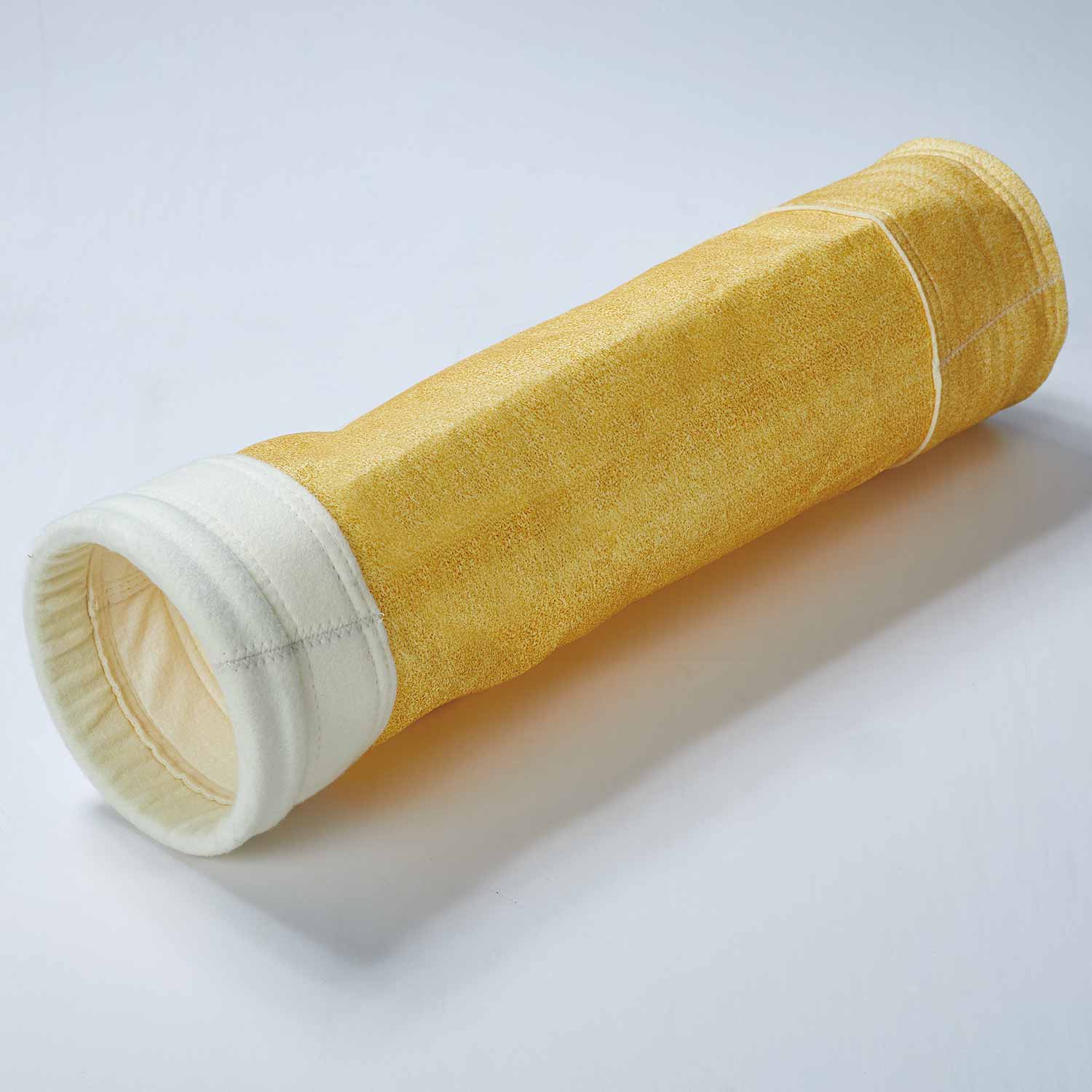
B. Grey Whale’s Contribution: Custom Dust Collector Filter Bags for Controlled Filtration Quality
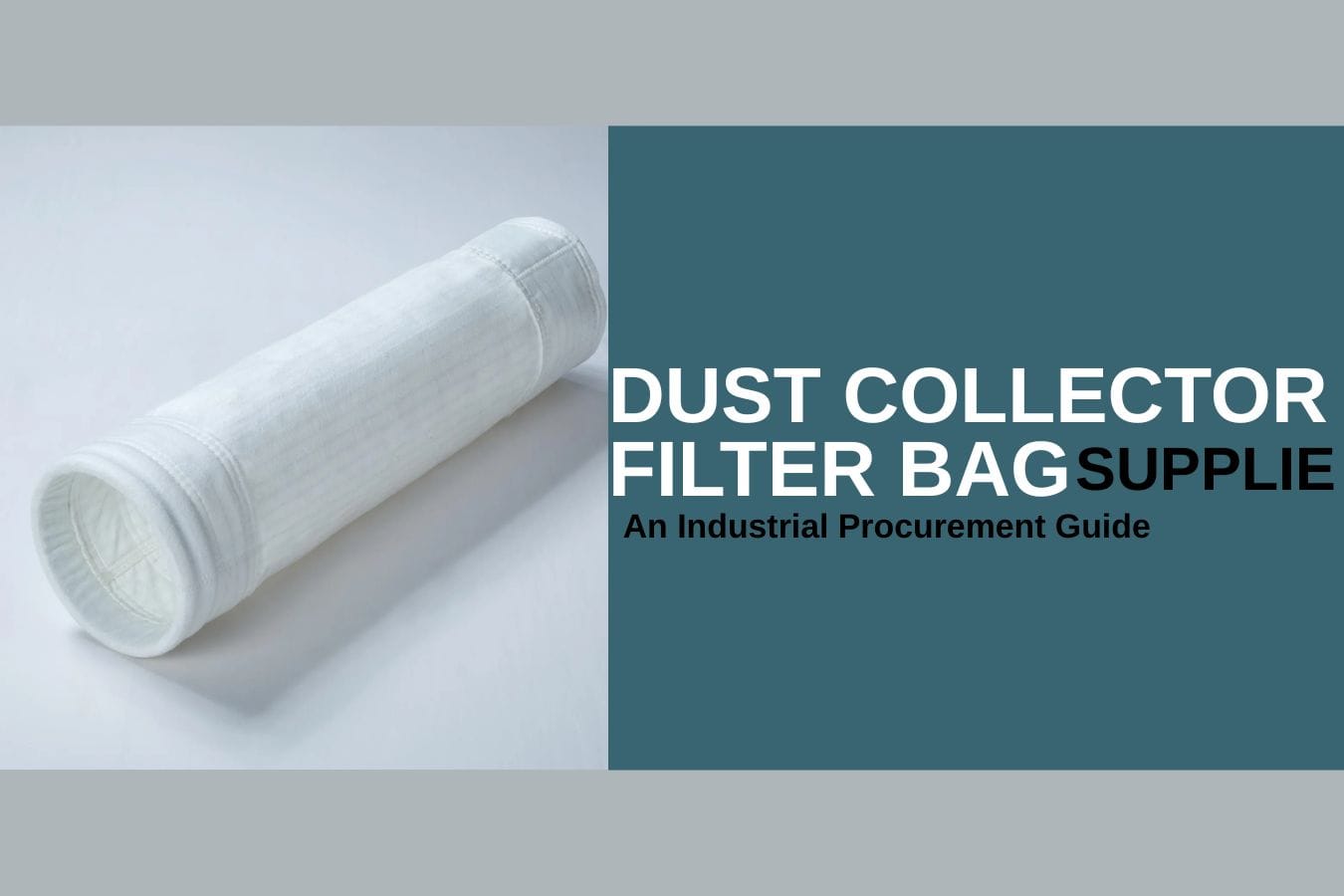
If your dust collector is the bouncer at the door, the filter bag is the bouncer’s hands. That’s where capture actually happens.
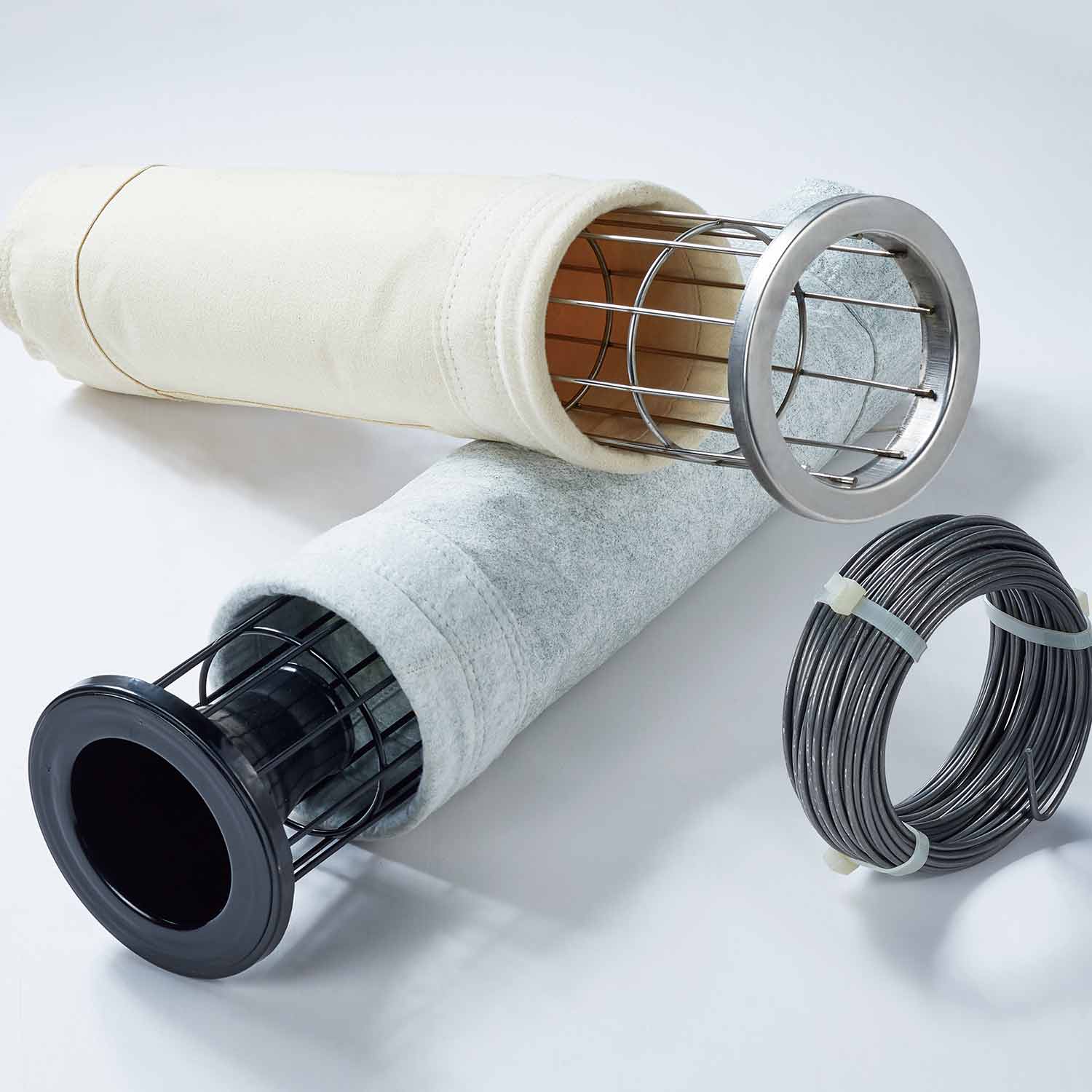
Grey Whale’s product catalog is built around that reality: customizable dust collector bags by temperature band, plus accessories to keep the system mechanically honest. Start at the main Dust collector filter bag category and you’ll see the range.
1. Role of Filter Bags in Industrial Systems
Filter bags handle three jobs that decide whether your collector behaves:
- Capture: stopping fines that want to ride the airflow forever
- Retention: holding dust without bleeding it through
- Release: letting go during cleaning so pressure drop doesn’t keep climbing
And yes, it affects airflow and resistance just like HVAC filters do—only now you’re dealing with abrasive dust, heat, moisture, and sometimes corrosive gas.
2. Example Product: Medium Temperature Custom Dust Collector Filter Bag
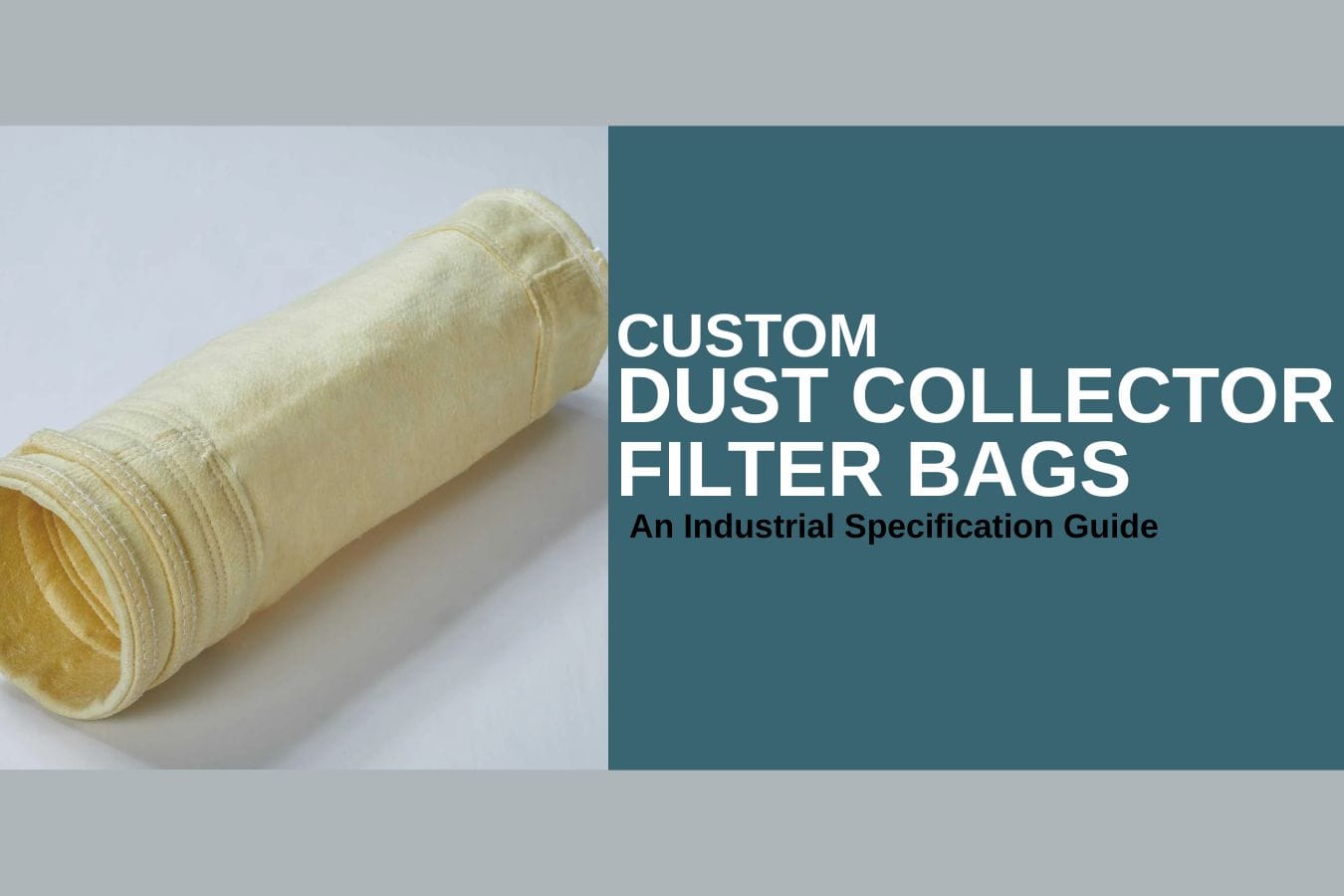
If you’re in that awkward 130–180°C band, you live in “medium temperature” territory—hot enough to destroy the wrong fabric, not hot enough to justify the most exotic materials.
Grey Whale’s Medium temperature Custom Dust Collector Filter Bag line exists for that zone.
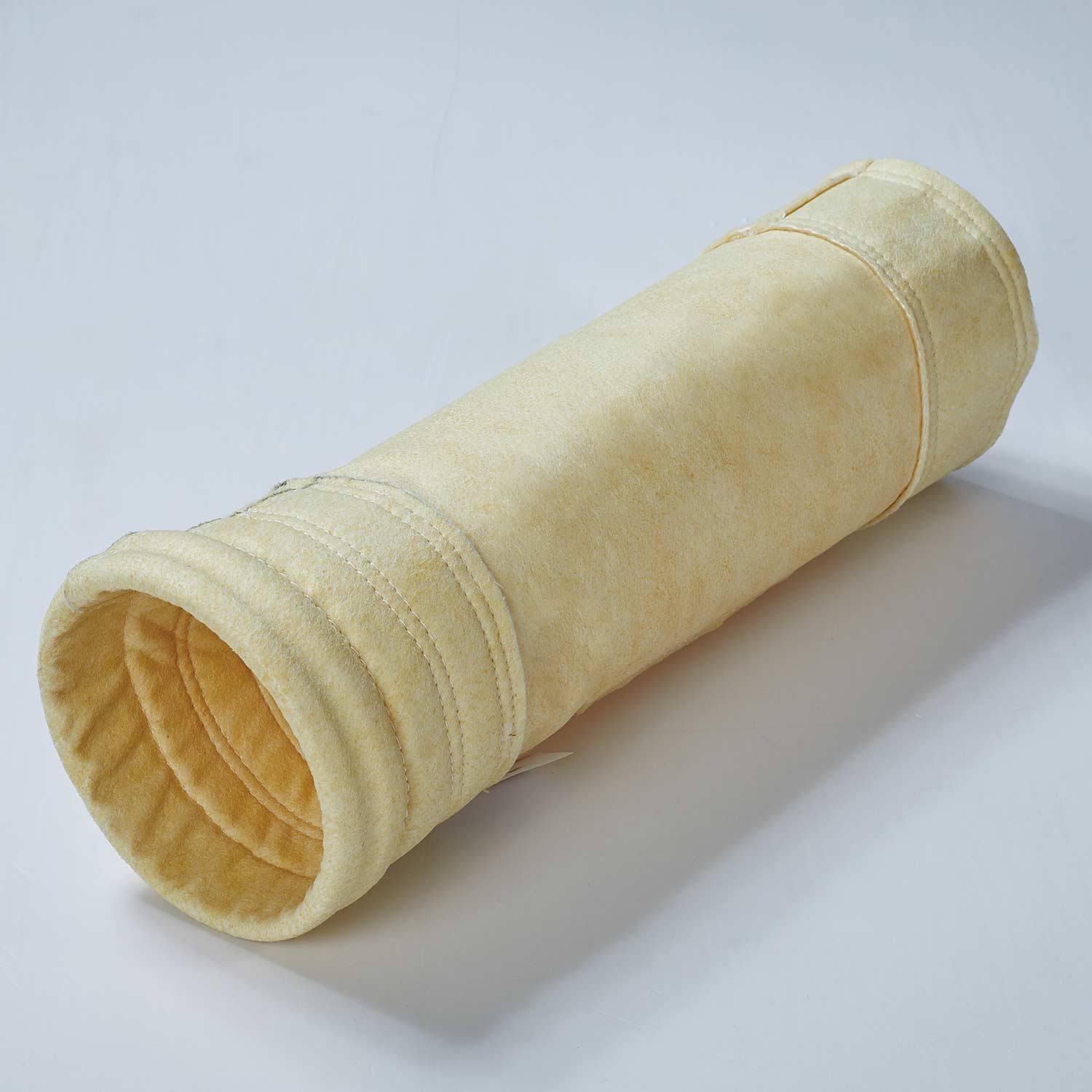
One concrete example is their Custom Medium temperature Hydrofluoros needle felt Dust filter Bag/Dust Collector Bag, listed with typical use temperature around 150°C (instant 180°C) and air permeability specs at a defined test pressure.
And if your gas chemistry and temperature point you toward PPS, there’s also the Custom PPS needle punched Dust filter Bag/Dust Collector Bag option with higher stated temperature capability (site lists ≤180°C, instant 210°C) and typical industrial applications like boilers/incineration contexts.
C. Supporting Components: Custom Filter Cages
A bag without a cage is just fabric having a bad day.
Grey Whale’s Custom Dust Collector Filter Cage lineup is where you handle fit, support, and airflow shape inside the bag.
For instance, their Custom Stainless steel Dust Collector Filter Cage page lists configurable diameters (φ100–φ200mm), lengths (0.5–10m), rib counts, and ring spacing—exactly the boring mechanical details that stop premature wear and uneven loading.
D. Engineering Support for Industrial Clients
If you want a practical starting point (not a motivational poster), Grey Whale’s own guide How to Choose the Right Dust Filter Bag lays out selection based on flue gas temperature bands, humidity, corrosiveness, dust size, and cleaning method.
Conclusion: Making the Right Choice Among F5–F8 Filters
F5, F6, F7, and F8 aren’t personality types. They’re efficiency brackets born from standardized testing—historically EN 779’s 0.4 μm average efficiency bands—and they’re divided by measurable jumps in fine particle capture, with pressure drop always lurking in the background.
Pick too low and you load downstream stages, contaminate sensitive zones, and spend your weekends cleaning. Pick too high and you buy resistance you didn’t need—then act surprised when airflow drops and energy rises.
The smarter play is staged filtration: the right F-class where it belongs, plus solid process dust capture. That’s where Grey Whale’s custom filter bags and cages fit in—supporting the parts of the plant that actually generate the dust, not just the parts that complain about it.
FAQ
What are F5–F8 filter efficiency grades?
They’re legacy “F-class” grades from EN 779-style classification, divided by average efficiency at 0.4 μm (F5 through F8 sit roughly 40% up to 95% in defined bands).
How is the efficiency of F-series filters measured?
In EN 779-style testing, filters are evaluated by particle counting at a reference size (0.4 μm) and reported as average efficiency across the test procedure, with pressure drop tracked as the filter loads.
What’s the main difference between F5, F6, F7, and F8 filters?
Efficiency bracket. F5 is the lowest (40–60% at 0.4 μm), then F6 (60–80%), F7 (80–90%), F8 (90–95%).
Which industries typically use F7 and F8 filters?
Sites with sensitive production or finish quality—pharma support areas, electronics assembly, food processing zones, painting/finishing, and pre-HEPA stages in higher-spec rooms. (The exact pick depends on risk tolerance and airflow budget.)
Are F-class filters suitable as final filters in HVAC systems?
Sometimes. F7/F8 are often used as “final” filters in non-cleanroom HVAC, but where you truly need near-sterile air, you usually stage them before HEPA/ULPA (and in many regions you’ll be specifying ISO 16890 classes rather than EN 779 labels).